
How Group Fitness Gyms in Charlotte, NC Design Training Programs for Strength Progression
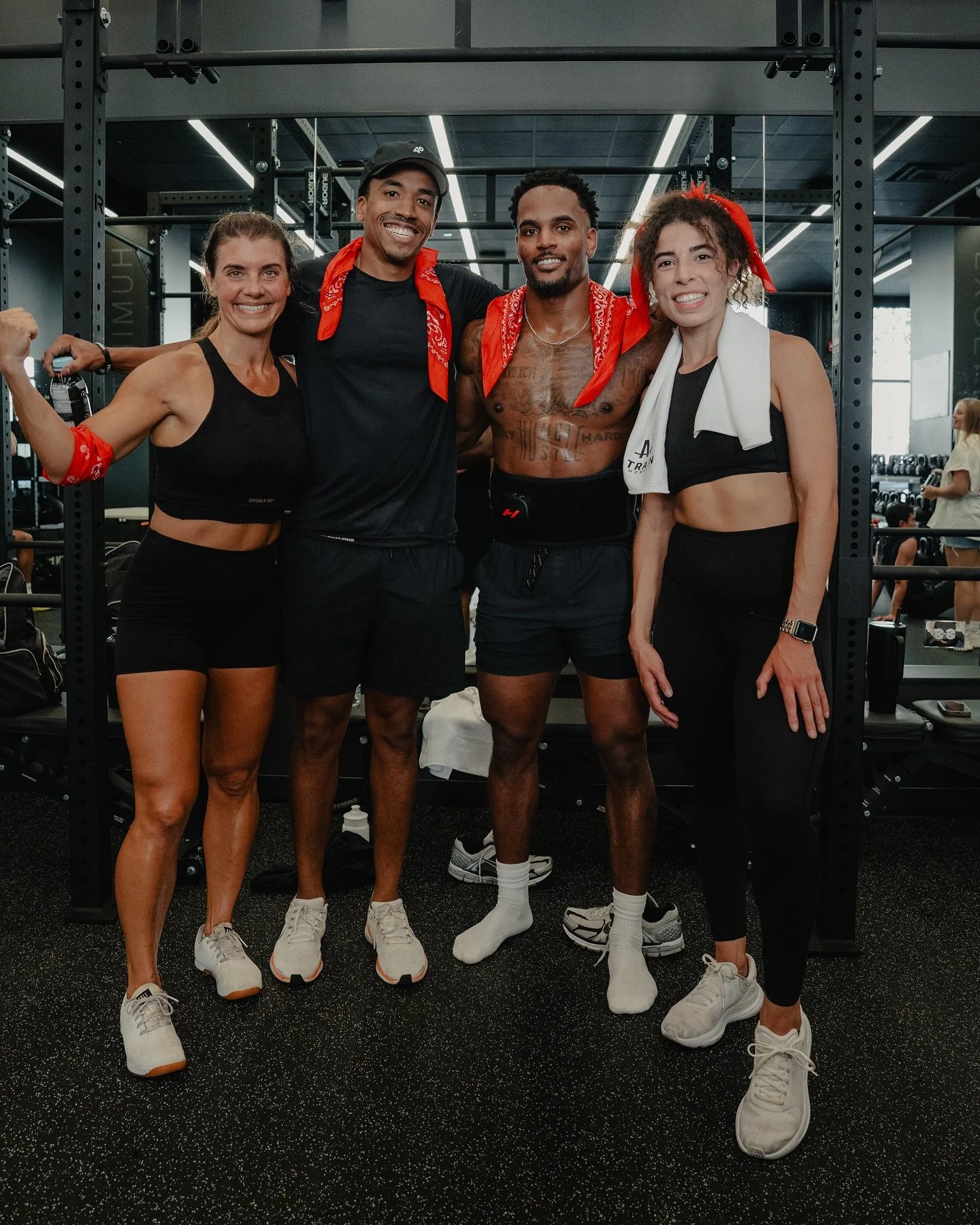
When we walk into group fitness gyms in Charlotte, NC, we are not stepping into chaos or intensity for intensity’s sake. We are stepping into rhythm. Into structure. Into a quiet confidence that understands how strength actually grows. Not in leaps. Not in ego-driven moments. But through repetition, patience, and intelligent design.
Strength progression is not accidental. It is built layer by layer, session by session, through programs that respect the body as much as they challenge it. In a group setting, that responsibility grows even larger. Programs must move many bodies forward together while honoring individual limits, joint health, and long-term sustainability.
We train in groups because energy multiplies there. Accountability sharpens. Focus deepens. When we lift alongside others, we borrow courage. We borrow consistency. We stay longer than we would alone. That shared effort creates an environment where strength progression becomes steady rather than rushed.
This is why structure matters. A thoughtful, progressive training plan allows us to grow stronger without burning out. It allows our joints to feel supported rather than punished. It keeps momentum alive across months, not just weeks.
In Charlotte, group strength environments are designed to balance science and humanity. They guide us through effort while leaving space for adaptation. They recognize that real progress happens when we feel safe enough to push and wise enough to pull back.
This is where strength becomes sustainable. This is where design matters.
Overview of Strength Training in Group Settings. Where structure meets community
In group training, strength is never random. It is planned. Sequenced. Revisited. Movements return with intention so our bodies can recognize them, refine them, and eventually load them with confidence.
Programs built for groups rely on progression that is visible and measurable but never aggressive. We are not chasing exhaustion. We are building capacity. The group format encourages consistency because we show up not only for ourselves but for the shared rhythm of the room.
There is power in hearing cues together. In resting together. In struggling and finishing together. That collective experience removes isolation and replaces it with accountability. It allows us to stay present, focused, and engaged over time.
Guidance matters here. Clear instruction allows us to move safely while still feeling challenged. Structure allows different experience levels to coexist without anyone feeling left behind or rushed ahead.
In group fitness gyms in Charlotte, NC, strength training is not about spectacle. It is about progression that respects the body’s pace while honoring the motivation that comes from training together.
The Science of Strength Progression
Understanding strength progression. Adaptation is earned, not forced
Strength progression is rooted in one simple principle. The body adapts to what it is asked to do. When we expose muscles and connective tissues to slightly more demand over time, they respond by becoming stronger.
This is known as progressive overload. It does not mean adding weight recklessly. It means increasing challenge gradually through load, repetitions, tempo, or complexity. The increase is small enough to be recoverable and meaningful enough to stimulate adaptation.
Four factors guide this process. Frequency determines how often we train. Intensity defines how challenging each effort feels. Volume reflects the total work performed. Recovery allows adaptation to actually occur.
In group settings, these variables are carefully balanced. Programs avoid sudden spikes. They repeat movements long enough for skill to develop. They give joints time to adapt alongside muscles.
When increases are gradual, strength builds without strain. When recovery is respected, progress compounds. Over time, our bodies respond not with fatigue but with resilience.
This is how growth becomes reliable rather than fragile.
The role of periodization in group training. Progress has seasons
Periodization brings structure to strength. Training is divided into cycles that each serve a purpose. Larger cycles set the direction. Smaller cycles focus on specific adaptations. Individual sessions fit into that larger arc.
In group environments, periodization prevents stagnation. It allows programs to emphasize different qualities over time while maintaining continuity. One phase may focus on building volume. Another may refine intensity. Another may reinforce movement quality.
This cycling keeps the nervous system fresh. It protects joints from repetitive stress. It ensures that effort feels purposeful rather than exhausting.
By planning, group programs create space for progression without overtraining. We move forward together without hitting plateaus. Strength grows quietly, supported by structure rather than driven by urgency.
Designing Group Training Programs for Strength
Tailoring programs for group fitness. One structure, many experiences
Group strength programs succeed when the structure is clear and adaptable. Movements remain consistent, but effort can scale. This allows beginners and experienced lifters to train side by side without friction.
Standardized exercises create familiarity. Scaling options allow individual challenges. We might adjust load, range of motion, or tempo while staying within the same movement pattern as the group.
Training styles often blend circuits with strength emphasis. Stations allow focus. Rotations maintain engagement. Effort remains intentional rather than frantic.
Even when conditioning elements appear, they are chosen to protect joints and preserve strength focus. The goal is not speed. The goal is sustainable output that supports lifting quality.
In group fitness gyms in Charlotte, NC, programs are designed so that no one feels singled out, and no one feels invisible. We are guided together while moving at our own edges.
Incorporating key strength training movements. Foundations that support everything else
Strength programs rely on compound movements because they recruit multiple muscle groups and teach the body to work as a unit. Squats build lower-body strength and stability. Deadlifts teach hip control and posterior chain engagement. Pressing movements strengthen the upper body while reinforcing core stability. Pulling movements balance posture and protect the shoulders.
These patterns appear repeatedly across programs. Their familiarity allows refinement. Over time, loads increase subtly. Control improves. Confidence builds.
In group classes, these movements are programmed with intention. Repetition is planned. Rest is respected. Progression unfolds across weeks rather than days.
This consistency allows us to feel stronger not just in the gym but in daily life. Movement becomes smoother. Effort feels more efficient. Strength becomes usable.
Ensuring Proper Form and Technique in a Group Setting
Instructor-led guidance for safe strength training. Many eyes, one standard
Coaching is the quiet anchor of group strength training. Clear cues help us understand where effort should live. Visual demonstrations reinforce safety. Corrections are offered without disruption.
Instructors watch patterns rather than individuals alone. They scan for alignment, tempo, and control. Small adjustments prevent strain. Simple reminders protect joints.
This guidance allows us to focus on effort without fear. We know someone is watching the details, so we can stay present in the work.
Safety does not slow progress. It supports it. When we trust our movement, we lift with confidence rather than hesitation.
Integrating mobility and joint health into strength training. Strength that moves well lasts longer
Joint health is inseparable from strength. Programs that ignore mobility eventually stall. Those who integrate it thrive.
Mobility appears in warm-ups, transitions, and cooldowns. It prepares joints for load. It restores range of motion after effort. It keeps tissues supple.
This integration enhances recovery. It reduces soreness. It allows strength sessions to feel challenging yet sustainable.
The result is a body that feels capable rather than compressed. Strength becomes something we carry comfortably rather than something we recover from endlessly.
Creating a Supportive Community for Strength Progression
The power of community in group fitness. Progress feels lighter together
Community changes how effort feels. When we train alongside others, consistency increases. Motivation becomes shared. Missed sessions feel noticeable.
Group energy encourages us to finish sets we might abandon alone. It reminds us that effort is temporary and progress is collective.
Encouragement does not need to be loud. Sometimes it is simply presence. Knowing others are showing up makes us show up too.
This dynamic builds momentum that lasts beyond novelty. Strength progression becomes a shared journey rather than a solitary grind.
Building a culture of progress and growth. Celebrating effort, not comparison
Healthy group environments celebrate milestones without hierarchy. A first controlled squat matters as much as a heavier lift. Mastery of technique is valued alongside increased load.
This culture fosters curiosity. We ask questions. We refine movement. We focus on growth rather than competition.
Trainers and members collaborate in this process. Feedback flows both ways. Progress feels supported rather than judged.
Over time, strength becomes part of identity rather than a temporary goal.
Progress Tracking and Adjustments in Group Fitness Programs
Tracking strength gains in group training. Awareness fuels progress
Tracking provides clarity. We note loads, repetitions, and how effort feels. Patterns emerge. Progress becomes visible.
Regular check-ins allow programs to adjust. Intensity shifts. Volume evolves. Sessions respond to the group’s readiness.
This responsiveness keeps training effective. It prevents stagnation. It respects recovery.
When progress is acknowledged, motivation deepens. We see evidence of our effort. We trust the process.
Adapting training to individual needs within a group. Many paths, one direction
Not everyone progresses at the same pace. Group programs accommodate this through scaling and pacing. Options are offered without emphasis. Choice becomes normal.
Those moving faster are challenged appropriately. Those needing more time are supported without pressure.
This flexibility maintains cohesion. The group moves together even as individuals adapt uniquely.
Strength progression becomes inclusive rather than exclusive.
Conclusion: Strength designed with care, guided by art
When we look closely at group fitness gyms in Charlotte, NC, we see that strength progression is not accidental. It is designed. Structured. Revisited with patience. Programs respect joints. They prioritize consistency. They grow strength through intention rather than intensity alone.
We move through sessions that balance effort and recovery. We train in environments that value form, guidance, and community. Strength becomes something we build steadily and carry confidently.
This approach feels thoughtful because it is. It reflects a philosophy where progress is layered, not rushed.
That philosophy is shaped like art. The same way an artist returns to form, refines technique, and trusts process, strength training here unfolds with care. The artist behind this approach understands movement, patience, and progression. The artist shapes rhythm. The artist respects the body. The artist believes strength should feel sustainable.
At TRAIN Moment, that artist’s hand is felt in every detail. If you want to be part of a strength-forward community built with care, join the waitlist and stay connected as the doors prepare to open. We believe that strength should support life rather than compete with it. TRAIN Moment invites you into a space where progress is shared, intentional, and deeply human.