
Gyms In Old Town Chicago For Better Strength Gains And Real Muscle Results
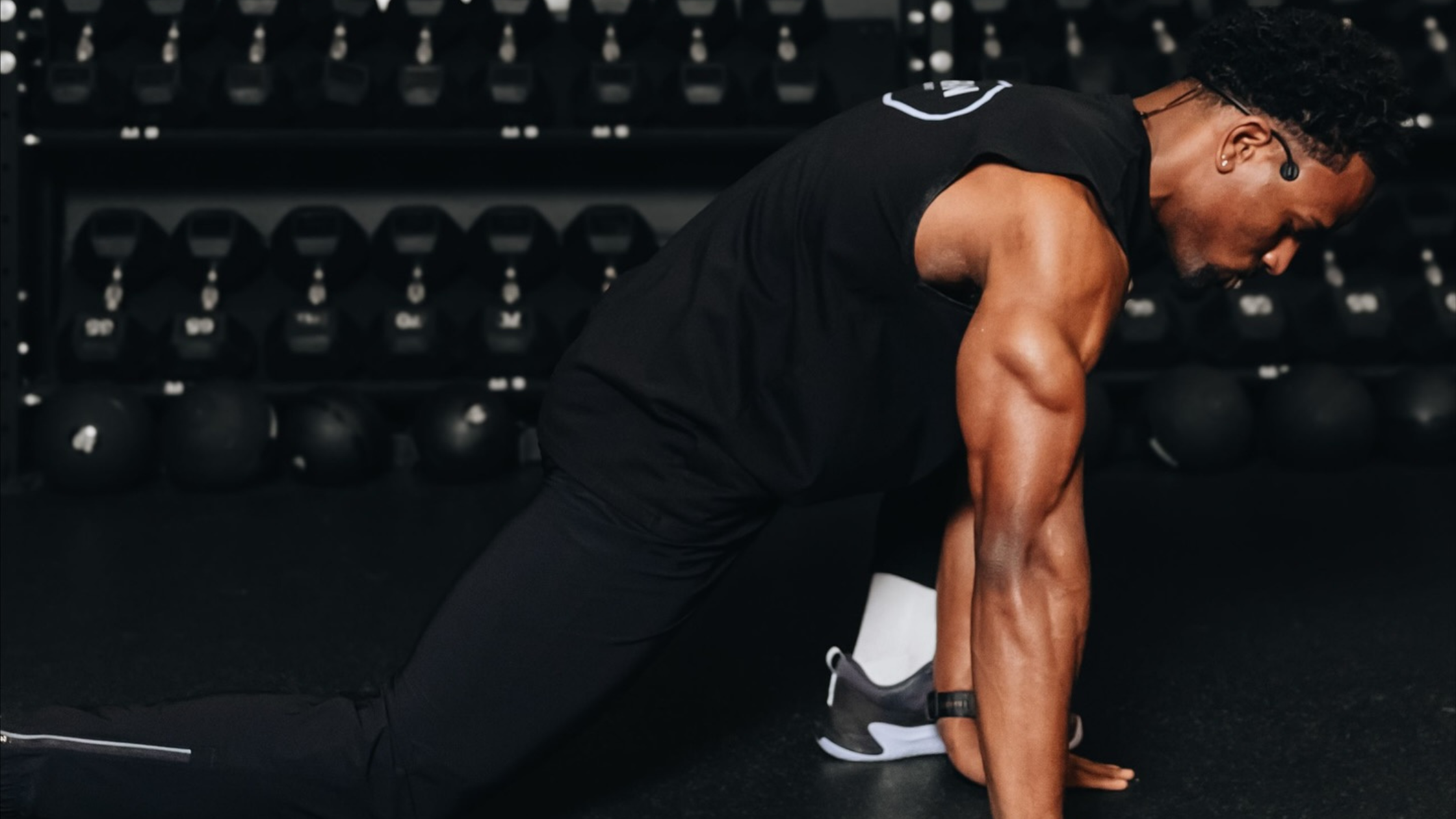
Shifting Expectations Among Old Town Chicago Gym-Goers
The Old Town Chicago area has experienced a noticeable shift in how gyms approach fitness. People searching for gyms in the Old Town Chicago area are no longer satisfied with traditional workout floors dominated by cardio machines and loosely structured sessions. Instead, there is growing demand for training environments that deliver measurable muscle growth, strength improvements, and routines that produce real results.
This shift is driven by outcome-focused expectations. Individuals want to increase how much they lift, feel stronger in daily life, and move more efficiently. Strength training has become the primary focus because it produces tangible, trackable improvements when programmed correctly. Alongside this shift, group-based training environments have gained popularity by providing motivation and accountability that solo workouts often lack.
Moving Away From Random Workouts
Modern gyms in Old Town Chicago have moved away from random daily workouts. Structured group training programs now guide movement quality, workload, and progression over time. These environments do not rely on one-to-one personal training plans. Instead, they use intelligent group programming that allows members to progress collectively while still receiving coaching attention on technique and execution.
Understanding this evolution helps clarify what truly supports muscle development. The purpose of this discussion is to help readers identify what to look for in strength-focused gyms in Old Town Chicago that are designed for long-term progress.
What Defines A Modern Strength-Based Gym In Old Town Chicago
Strength-First Training Philosophy
Strength-based gyms are clearly differentiated from traditional fitness centers. One of the most defining characteristics is the absence of a cardio-dominated floor. Instead of rows of machines, these gyms prioritize group-based strength training using free weights and functional resistance tools.
Programming is built around progressive loading cycles. Movements and weights are planned weekly rather than changed randomly each day. This structure allows muscles to adapt, grow, and strengthen predictably and sustainably.
The Role of Coaching In Group Strength Training
In group strength training, coaches serve as facilitators of quality movement rather than designers of individualized workout plans. Their primary responsibility is to ensure that each session runs safely and effectively for the entire group. By focusing on proper technique, coaches help participants perform movements correctly, reducing injury risk and improving training outcomes.
Attention to pacing keeps sessions structured and productive, preventing rushed lifts or unnecessary fatigue. Coaches also monitor loading and rest periods, allowing members to challenge themselves within safe limits. This approach preserves the energy and motivation that come from training in a group while still providing the guidance needed to support consistent progress and confidence.
Facility Layout Designed for Strength
The physical layout supports this training model. Strength zones are organized around barbells, dumbbells, kettlebells, resistance bands, and functional movement stations. These environments are designed for controlled lifting rather than continuous cardiovascular activity.
Community-Centered Programming
Compared to traditional gyms, strength-focused facilities emphasize shared goals, consistent programming blocks, and group accountability. Strength progress is measured collectively, reinforcing commitment. A common misconception is that muscle growth requires personal trainers and customized programming. In reality, well-designed group classes with progressive overload are highly effective for most individuals.
How Strength-Driven Gyms Produce Better Muscle Results
The Science Behind Strength and Hypertrophy
Muscle hypertrophy follows known physiological principles. Mechanical tension and progressive overload are the primary drivers of muscle growth. Muscles develop when they are exposed to gradually increasing loads, not when exercises change constantly.
Controlled Programming in Group Environments
Group strength programs apply these principles through controlled environments. Volume, intensity, and rest are carefully managed within each session. This prevents undertraining and overtraining, which are common in unstructured gym settings.
Momentum Through Repetition and Progression
Repeating movements with planned variations allows the body to adapt. Strength gains become measurable because progression is built into the system rather than left to estimation or guesswork.
Why Group Formats Improve Results
Group pacing creates natural motivation. Members tend to push slightly harder without the pressure of competition. Standardized programming prevents program hopping, one of the biggest barriers to muscle development. When members commit to the structure, results follow.
Peer accountability also increases attendance. Consistent participation is one of the most important factors in achieving strength gains. Cardio-based programs often lead to plateaus, while strength training produces more reliable body composition changes.
Key Attributes To Look For In Strength-Focused Gyms In Old Town Chicago
Training Philosophy and Programming Structure
Strength-first gyms prioritize compound lifts and functional movement patterns that engage multiple muscle groups. Progression-based cycles replace generic daily workouts, ensuring each session contributes to long-term development.
Structured Group Class Design
Classes should be designed to train major muscle groups consistently throughout the week. Coaching focuses on form adjustments that accommodate different experience levels without altering the overall structure.
Equipment Quality and Layout
Effective strength gyms prioritize space and layout over the number of machines. Ample free weights, squat racks, kettlebells, resistance tools, and open floor space are essential. Cardio machines play a minimal role.
Programming Transparency
Members should understand how training cycles are structured and what each phase aims to improve. Clear explanations of upper-body, lower-body, or full-body programming build trust and confidence in the process.
Group-Based Feedback Systems
Progress is often tracked through shared benchmarks rather than individualized assessments. Group strength tests reinforce collective improvement while maintaining program integrity.
What to Expect When Training at Strength-Centered Gyms in Old Town Chicago
Typical Class Flow
A standard session follows a logical sequence. Warm-ups prepare the body for loading, followed by compound strength movements with appropriate rest. Accessory work supports balance and stability, with controlled conditioning included where appropriate.
Integrating New Members Into Group Training
New members can easily integrate into group sessions without personal trainers. Coaches demonstrate movements and provide clear cues, allowing participants to learn through repetition and feedback.
The Adaptation Phase
Early sessions focus on learning movement patterns and adjusting to group pacing. Initial workouts emphasize building baseline strength rather than lifting maximal weight. This phase is critical for long-term success.
Progress Tracking Without Custom Plans
Progress is measured through performance markers such as improved control, strength, and endurance during strength sets. These indicators are often more meaningful than appearance-based metrics.
Community Culture and Support
Community culture plays a vital role in group training environments. Working out alongside others with similar goals reduces intimidation and creates a sense of belonging. Shared effort and mutual encouragement make sessions feel supportive rather than isolating. This atmosphere helps individuals stay consistent, build confidence over time, and remain engaged even when motivation fluctuates.
Addressing Common Concerns
Concerns about keeping up are common, but structured progressions accommodate all levels. Strength training is safe in coached group settings, and personalized routines are not required to achieve meaningful results.
How To Choose The Best Strength Gym In Old Town Chicago For Your Goals
Understanding What Strength Training Means
Choosing the right gym begins with clarity. Gyms should clearly communicate their programming approach and explain why specific movements are used. This reflects intentional design rather than random training.
Scheduling and Consistency
Class frequency and scheduling must align with individual availability. Consistency is essential for progressive overload. A program that fits real life supports long-term success.
Coach-to-Member Ratio
Group size influences experience. Classes should be small enough for effective guidance while maintaining group energy.
Training Environment and Culture
The environment should emphasize technique, support, and progression rather than speed or exhaustion. Strength-centered spaces prioritize growth over fatigue.
Evaluating Philosophy Alignment
Gyms focused heavily on cardio machines, boot camps, or customized strategies may not support functional strength development. Trial classes help determine whether the environment aligns with personal goals without the pressure of private consultations.
The Long-Term Benefits of Training At Strength-Focused Gyms In Old Town Chicago
Physical Benefits
Strength training delivers powerful physical benefits that extend far beyond muscle growth. Increasing lean muscle mass increases resting metabolic rate, allowing the body to burn energy more efficiently throughout the day. Stronger muscles also provide better support for joints, improving stability and reducing strain during daily movement. Over time, this enhanced joint support lowers the risk of common injuries and improves balance and coordination. Strength training also boosts overall physical performance by improving power, endurance, and functional capacity. These adaptations make everyday tasks easier and safer while supporting long-term health, mobility, and resilience as the body ages.
Psychological Benefits
Measurable progress builds confidence. Group accountability reduces anxiety and encourages consistency. Structured training often leads to better decision-making around health and lifestyle.
Lifestyle Integration
Strength-focused group sessions integrate easily into daily life. Improved movement patterns support better posture, easier lifting, and greater resilience in everyday activities.
Compounding Strength Gains
Strength gains accumulate over years of consistent training. Group programming supports regular attendance, leading to results that short-term approaches cannot match.
Future-Proofing Fitness
Maintaining muscle mass is critical for aging well. Strength-focused gyms provide a sustainable fitness model that supports durability, independence, and long-term health.
Conclusion: Finding Gyms In Old Town Chicago That Deliver Real Strength Results
True muscle development does not come from random workouts or cardio-based routines. It comes from structured group training, progressive overload, consistent attendance, and a supportive environment. Gyms in Old Town Chicago that prioritize these elements are best positioned to deliver lasting strength results.
Evaluating gyms based on training philosophy, equipment layout, programming cycles, and community culture leads to better outcomes than focusing on amenities or promises of customization. Strength-focused environments provide clarity, accountability, and measurable progress.
If you are researching strength training gyms in Old Town Chicago, you may also consider TRAIN Momentas part of your evaluation process.