
How gyms in Old Town Chicago are Adapting Training Spaces for Community-Focused Fitness
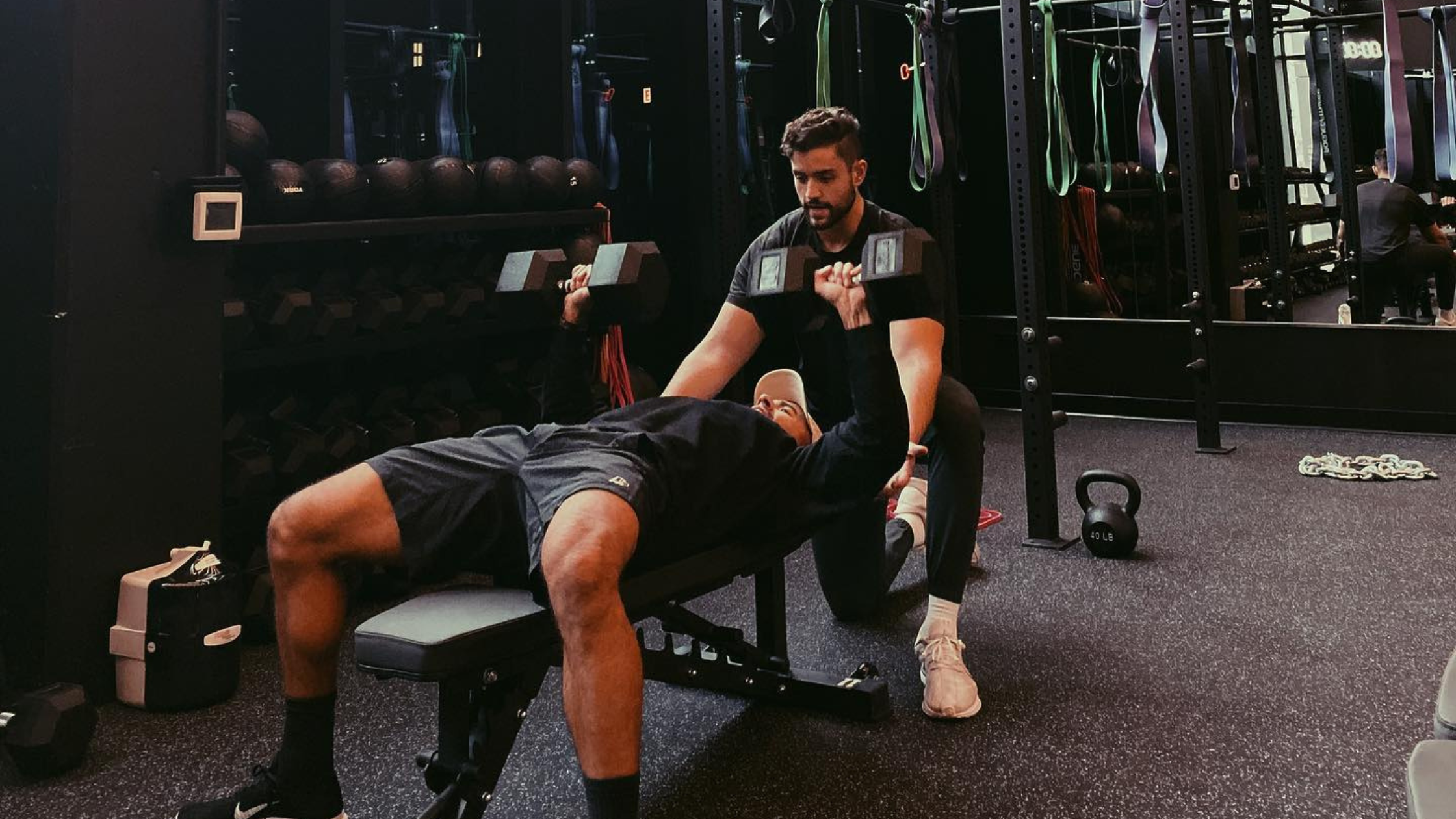
When space begins to shape belonging
When we look at gyms in Old Town Chicago, we notice something subtle but powerful unfolding. These spaces are no longer designed solely for individual effort. They are being reshaped for connection. For rhythm. For shared experience. The walls feel more open. The layouts feel intentional. The energy feels less transactional and more human.
This shift reflects a broader movement toward community-focused fitness. In dense urban neighborhoods like Old Town, gyms are becoming gathering places rather than isolated training rooms. They are responding to a need that goes beyond physical results. People want consistency, support, and a sense of being part of something that extends past a single workout.
Urban life can feel fragmented. Schedules are full. Attention is divided. In response, fitness spaces are evolving into anchors. Places where we move together. Where effort feels shared. Where showing up means being seen.
To support this change, gyms are redesigning both their physical environments and their programming. The goal is no longer to maximize machines per square foot. It is to create spaces that invite interaction, encourage group training, and sustain long-term engagement.
Strength still matters. Health still matters. But the way these goals are supported now includes community as a central pillar.
Overview of the Fitness Landscape in Old Town Chicago A neighborhood-driven evolution
Old Town Chicago has always balanced energy with intimacy. It is walkable, social, and layered with history. That character is now influencing how fitness spaces are designed and used.
Gyms here are adapting to members who value connection alongside progress. They are shifting away from closed-off layouts and toward environments that feel welcoming and shared. Programming is being adjusted to support group participation without sacrificing individual growth.
This evolution reflects a deeper understanding. Fitness adherence improves when people feel connected. Motivation strengthens when effort is witnessed. Consistency grows when training feels relational rather than isolating.
As a result, gyms in Old Town Chicago are becoming spaces where fitness goals and social bonds coexist. The physical environment is no longer neutral. It actively shapes how people interact, train, and return.
The Rise of Community-Centered Fitness
The growing focus on community fitness. From isolation to connection
Fitness was once framed as a solitary pursuit. Headphones on. Eyes down. Progress is measured privately. While that model still exists, it no longer meets the needs of many people.
Community-centered fitness has emerged as a response to burnout, inconsistency, and disconnection. Group training environments offer shared momentum. They remind us that effort does not have to be lonely.
In community-driven spaces, training becomes participatory. We notice others. We move in rhythm. We share small moments of encouragement that accumulate into belonging.
This shift has transformed gym culture. Instead of competing for space, people collaborate within it. Instead of hiding effort, they normalize it.
The result is a more sustainable relationship with fitness.
Why community-focused fitness matters Consistency thrives where connection lives
Social connection plays a powerful role in long-term fitness success. When we feel part of a group, attendance becomes easier. Accountability feels supportive rather than pressured.
Community spaces foster emotional safety. People feel more comfortable asking questions. More willing to try new movements. Less afraid of imperfection.
Mental well-being benefits as well. Shared experiences reduce stress. Familiar faces provide grounding. Fitness becomes something we look forward to rather than something we push through.
In this way, community-focused fitness supports both physical and emotional resilience.
Adapting Gym Spaces for Group Training and Social Interaction
Reimagining gym layouts for group activities. Space that invites participation
Many gyms in Old Town Chicago are rethinking how space is used. Traditional rows of machines are giving way to open, flexible areas designed for group movement.
These layouts allow people to face one another rather than walls. They support shared instruction. They make collaboration visible and natural.
Equipment placement has also shifted. Tools are accessible and easy to share. This encourages teamwork and reduces territorial behavior.
The space itself becomes a facilitator of connection.
The benefits of open-plan training areas. Visibility creates inclusion
Open-plan environments remove barriers, both physical and psychological. When we can see others training, we feel less alone in effort.
These spaces encourage conversation. They normalize rest and exertion. They allow instructors to guide groups fluidly without interruption.
Inclusivity grows when environments feel transparent. People feel invited rather than evaluated.
Integrating social spaces for relaxation and connection Movement does not end at the workout
Beyond training areas, gyms are adding spaces designed for connection. Lounge zones. Community boards. Areas where people can pause and talk.
These spaces extend the experience beyond exercise. They encourage post-workout conversations. They allow relationships to form organically.
Retention improves when gyms feel like places to belong, not just places to sweat.
Incorporating Group Training Programs to Build Community
Designing group programs for all fitness levels. Together, at our own pace
Group programs in Old Town Chicago are increasingly inclusive by design. Exercises are scalable. Progression is layered. No one is singled out.
Beginners feel supported. Experienced participants feel challenged. Everyone moves within the same structure while honoring individual capacity.
Variety plays an important role. Strength-focused sessions are balanced with mobility work. Programs evolve without losing coherence.
This approach allows people to stay engaged long-term.
Fostering collaboration and teamwork in workouts. Shared effort builds trust
Group workouts encourage collaboration through partner exercises, shared challenges, and collective goals. These experiences build camaraderie.
Friendly encouragement replaces comparison. Effort becomes communal rather than competitive.
Performance often improves as a result. People push a little further when supported. They recover more confidently when guided. Community strengthens through movement.
Focusing on Strength Training in Community-Centered Spaces
Strength training in group settings Building capacity together
Strength training has become a central focus in community-oriented gyms. When approached thoughtfully, it supports longevity and confidence.
Group strength programs emphasize controlled movement, proper alignment, and gradual progression. Joint health remains a priority.
Training together enhances accountability. Progress is shared. Milestones are acknowledged collectively.
Strength becomes something we build with others rather than in isolation.
Balancing individual goals and group dynamics. Unity without uniformity
Community-centered gyms recognize that people have different goals. Some seek foundational strength. Others aim to refine performance.
Spaces are designed to accommodate these differences without fragmenting the group. Equipment variety supports adaptation. Instruction allows choice.
Every achievement is celebrated. This reinforces a culture of growth rather than comparison.
Prioritizing Joint Health in Group Fitness Spaces
Incorporating mobility and joint care into group training Longevity as a design principle
Joint health is now recognized as essential to sustainable fitness. Many gyms are integrating mobility work into group sessions.
Warm-ups prepare joints for load. Transitions include movement care. Cool-downs support recovery.
This integration reduces injury risk and improves performance. It allows people to train consistently without chronic discomfort.
Education and support for long-term joint health. Knowledge protects movement
Instructors play a key role in joint protection. They emphasize proper form. They explain why movements matter.
Education empowers participants. When we understand how to move well, confidence increases.
Gym spaces that support learning promote healthier habits beyond the workout.
The Role of Gym Culture in Community-Focused Fitness
Creating a welcoming and inclusive gym culture. Belonging before performance
Culture determines whether people stay. Gyms in Old Town Chicago are investing in inclusive environments.
Language matters. Communication is supportive. Judgment is minimized.
These spaces welcome diversity of age, background, and ability. Everyone is encouraged to participate fully.
Fitness becomes a shared language rather than a gatekeeping system.
Encouraging member-led initiatives and events. Community grows from within
Many gyms now support member-driven activities. Challenges. Social gatherings. Informal events.
These initiatives empower members to shape the culture. They deepen connections. They create ownership. Community becomes self-sustaining.
How TRAIN Moment Fits into the Community-Focused Gym Model
TRAIN Moment’s community-centered approach. Where intention becomes structure
There is an artist behind every well-designed space. An artist who understands flow, restraint, and rhythm.
This artist designs sessions that begin with clarity. Coaches guide movement with verbal and visual cues. Preparation matters.
Strength work takes center stage. Two-thirds of each session is dedicated to low-impact, effective strength training using shared equipment.
Conditioning supports rather than overwhelms. Joint health is preserved. The community remains central.
Strength training and joint health at TRAIN Moment. Progress with care
TRAIN Moment builds strength through group programming that values longevity. TRAIN Moment integrates mobility, alignment, and gradual progression.
TRAIN Moment creates environments where people feel supported. Where effort feels shared. Where consistency feels achievable.
We invite those seeking connection alongside strength to become part of something intentional.
Conclusion: Community is the future of fitness
The evolution of gyms in Old Town Chicago reveals a clear direction. Fitness spaces are becoming more human. More connected. More responsive to how people actually live.
By adapting layouts, programming, and culture, these gyms are fostering community-focused fitness that supports both physical health and social well-being.
Strength training thrives in these environments. Joint health is protected. Motivation deepens through connection. This shift reflects a deeper understanding. Fitness is not just about movement. It is about belonging.
At TRAIN Moment, this philosophy is brought to life through group-based strength training designed with care. We emphasize community, joint health, and intentional progression. We create a space for people to grow stronger together.
If you are ready to explore a fitness experience rooted in connection and thoughtful design, consider becoming part of the TRAIN Moment community. Strength feels different when it is shared.