
How Strength and Conditioning Training Builds Power, Endurance, and Injury Resistance for MMA
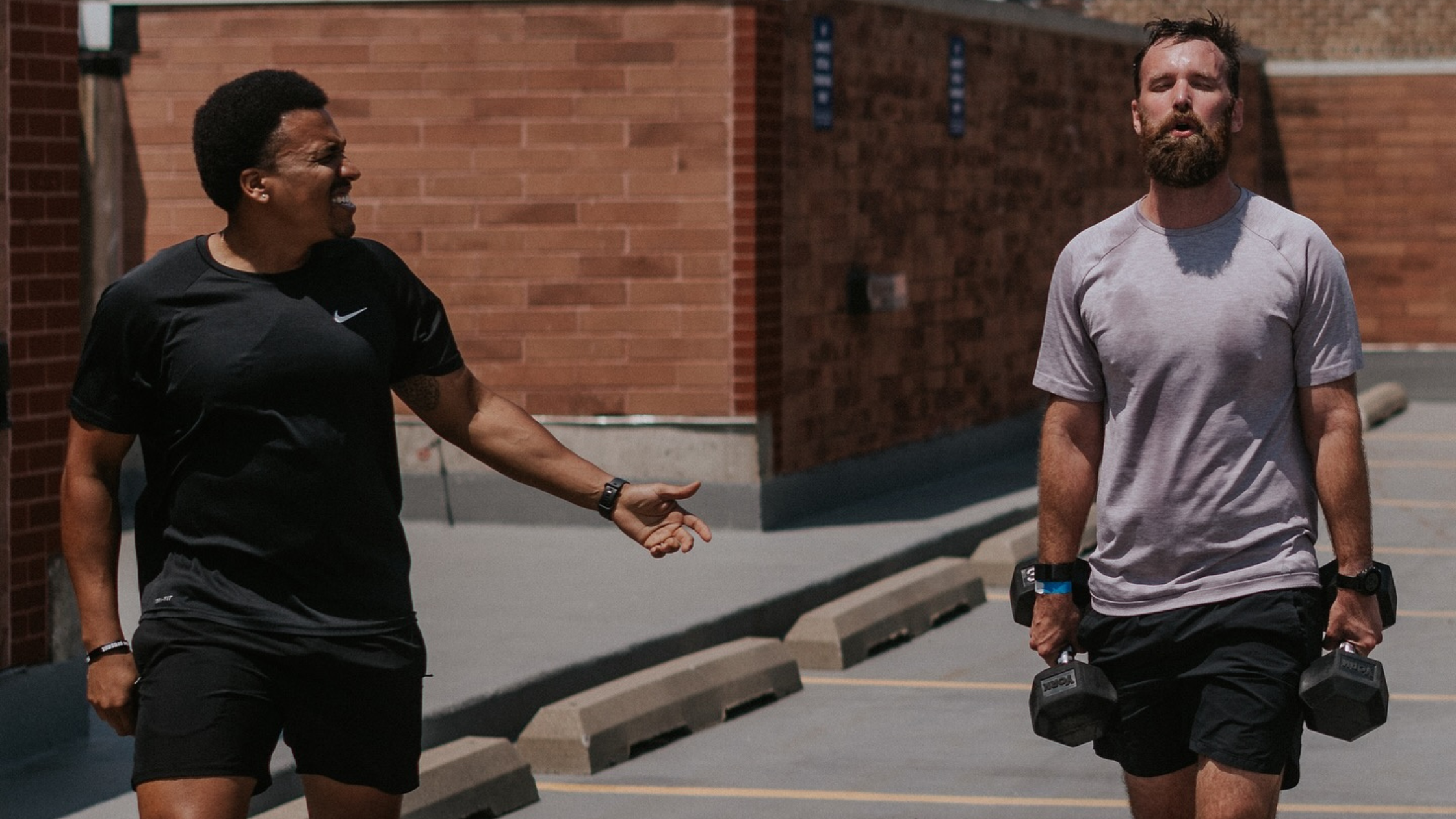
Mixed martial arts already demands a great deal from the body. Fighters spend hours refining striking, grappling, transitions, and tactical awareness. Yet many athletes discover that when strength work feels random or excessively exhausting, performance during skill sessions begins to decline rather than improve. Soreness appears in the wrong places, recovery slows, and technical training suffers.
Most MMA athletes are not looking for complicated fitness systems. They want greater power during exchanges, stronger endurance across rounds, and fewer interruptions caused by nagging physical setbacks. The challenge lies in finding training that enhances fight preparation instead of competing with it. Properly structured Strength and Conditioning Training bridges that gap by supporting performance without overwhelming already demanding schedules.
This guide explains how strength-forward, coach-led group training helps MMA athletes build usable power, sustainable endurance, and long-term injury resistance. When training emphasizes progression, joint health, and repeatable structure, fighters gain physical capacity that directly supports their time on the mats and in the cage.
Why MMA Athletes Need Structured Physical Preparation
MMA is often described as chaotic, yet the physical demands follow recognizable patterns. Fighters repeatedly perform short explosive efforts followed by brief recovery windows while maintaining technical control under fatigue. Clinch battles, takedown attempts, scrambles from the ground, and defensive reactions all require strength expressed repeatedly across unpredictable situations.
Skill training develops timing and technique, but it does not always provide enough exposure to progressive loading that strengthens muscles and connective tissues systematically. Well-designed Strength and Conditioning Training builds what can be described simply as a stronger engine and a stronger frame. Muscles generate force more efficiently, joints tolerate stress more effectively, and movement remains controlled even late in rounds.
Combat sports conditioning improves power endurance, allowing fighters to maintain position and pressure rather than fading when fatigue accumulates. Athletic performance training focused on durability also strengthens tissues surrounding commonly stressed areas such as shoulders, hips, and knees. The result is not just improved output but improved availability to train consistently.
Power for MMA Comes From Foundational Strength
Power in MMA does not originate solely from speed. It begins with strength. When athletes increase their ability to produce force, they expand the amount of power available during punches, sprawls, clinch drives, or takedown finishes.
Effective Strength and Conditioning Training avoids unnecessary complexity. Instead, it prioritizes foundational movement patterns such as squatting, hinging, pushing, pulling, carrying, and rotational stability. These movements mirror the demands placed on fighters during competition without attempting to imitate fighting directly.
Progressive overload plays a central role. In simple terms, athletes gradually increase resistance, repetitions, or control over time. Small improvements accumulate into meaningful physical change. Stronger hip extension supports bridging and lifting during grappling exchanges. Improved pulling strength enhances clinch control and grip endurance. Better bracing stabilizes the spine when absorbing force or resisting pressure.
This approach remains grounded and practical. Strength development does not promise instant knockouts or dramatic transformation. Instead, it provides a larger physical foundation upon which technical skill can operate efficiently.
Endurance That Supports Rounds Instead of Exhaustion
Conditioning for MMA differs significantly from general cardio exercise. Fighters rarely perform steady-paced activity for extended periods. Instead, they must repeat high effort bursts while recovering quickly enough to act decisively again moments later.
Through structured Strength and Conditioning Training, athletes develop work capacity, meaning the ability to repeat quality effort without excessive decline in performance. Conditioning becomes about sustaining output rather than surviving fatigue.
Joint-friendly conditioning methods play an important role here. Lower-impact training reduces unnecessary stress accumulation, allowing fighters to remain consistent in skill practice. Less joint irritation means more time available for technical improvement.
At TRAIN Moment, conditioning represents a defined portion of training rather than the entire session identity. Approximately one-third of sessions include high-intensity intervals using the zero-impact VersaClimber. Because the movement distributes effort across the entire body while minimizing impact forces, athletes challenge endurance without excessive wear. Conditioning becomes supportive rather than draining, reinforcing the goals of Strength and Conditioning Training within MMA preparation.
Injury Resistance Through Strength and Control
Injury resistance is rarely about avoiding effort. More often, it results from building sufficient physical capacity to tolerate the demands of training. Fighters place repeated stress on shoulders, hips, knees, neck, and lower back through grappling exchanges and striking mechanics.
Consistent Strength and Conditioning Training improves tissue resilience by strengthening muscles surrounding joints while reinforcing proper movement mechanics. Low-impact strength work emphasizes a controlled range of motion and balanced loading, allowing athletes to develop durability gradually.
Clean repetitions matter more than maximal effort. Training that prioritizes control teaches the body to stabilize under pressure, which becomes essential during unpredictable grappling situations. Fighters who maintain a strong balance between pushing and pulling movements often experience improved shoulder stability and posture.
Common mistakes increase injury risk unnecessarily. Maxing out frequently alongside hard sparring sessions stacks fatigue beyond recoverable limits. Chasing exhaustion instead of movement quality reduces technical precision. Neglecting the upper back and pulling strength can compromise shoulder health over time. Structured programming prevents these pitfalls by guiding progression intelligently.
Why Structure Matters More Than Intensity
MMA itself introduces enough unpredictability through sparring intensity, competition preparation, travel, and varying training loads. Physical preparation should provide stability rather than additional chaos.
When workouts change randomly, progress becomes difficult to measure. Athletes cannot determine whether improvements come from training or coincidence. Structured Strength and Conditioning Training solves this by establishing repeatable session flow and planned progression.
At TRAIN Moment, biweekly programming offers a practical advantage. During the first week, athletes learn movement patterns and establish baseline performance. The second week builds progression through improved technique, slightly increased resistance, or refined pacing. This approach reduces guesswork and allows fighters to build steadily even when MMA schedules fluctuate.
Structure ensures that fatigue does not compromise movement quality. Coaching maintains technique even when athletes arrive tired from skill sessions, supporting long term development rather than short term intensity.
Inside TRAIN Moment and the Value of Guided Group Training
Every session at TRAIN Moment begins with The Run Down, where coaches outline the purpose of the day’s training through verbal and visual instruction. Fighters immediately understand what they are training and why it matters.
Within group-based Strength and Conditioning Training, exercises align with programming goals rather than individualized plans. Scaling options allow athletes of different experience levels to train safely while maintaining shared intent. Confidence grows because participants know exactly how to execute movements correctly.
Strength Zones introduce a variety of equipment, including dumbbells, kettlebells, resistance bands, plyo boxes, medicine balls, and barbells. While tools vary, the training objective remains consistent. Coaches provide weight guidance and form adjustments throughout sessions, helping athletes progress safely while developing transferable movement skills.
Education becomes part of training. Fighters leave sessions understanding posture, bracing, and movement control that carry directly into their combat practice.
Vertical Pulling Strength and Grip Development
Vertical pulling movements often remain overlooked in general fitness programs, yet play a critical role in combat sports performance. Strong pulling capacity supports clinch control, defensive posture, and sustained grappling engagement.
Through structured Strength and Conditioning Training, athletes progress gradually from assisted variations toward full pull-ups or chin-ups. Band-supported pulldowns and controlled progressions allow consistent improvement without compromising technique.
Grip strength develops alongside pulling ability, supporting positional dominance during grappling exchanges. Coaches emphasize shoulder positioning and controlled movement to ensure strength gains translate safely into training scenarios.
Athletes commonly make mistakes by focusing excessively on pushing exercises while neglecting pulling balance. Others rush into advanced variations before establishing control. Structured progression prevents these setbacks and builds strength that remains usable under fatigue.
Balancing Physical Training With MMA Practice
The primary rule for fighters remains simple. Physical preparation should support the sport rather than compete with it. When sparring intensity, heavy lifting, and excessive conditioning occur simultaneously, recovery suffers.
Properly organized Strength and Conditioning Training complements MMA practice by maintaining manageable training stress. Fighters training multiple times weekly often benefit from two or three full-body strength-focused sessions that reinforce movement quality without overwhelming recovery.
During intense sparring phases, reducing overall training volume while maintaining sensible intensity helps preserve performance. Newer athletes benefit from focusing on consistency and clean technique rather than chasing rapid progression.
Recovery fundamentals remain essential. Sleep quality, hydration, and attention to joint feedback influence improvement more than perfect programming. Listening to physical signals ensures training remains sustainable throughout demanding fight preparation cycles.
Choosing the Right Program for MMA Performance
Not all programs support combat athletes equally. Effective Strength and Conditioning Training prioritizes strength development executed with joint-friendly technique and guided coaching.
Programs that track progress through benchmarks allow fighters to observe improvement over months rather than relying on daily fatigue as feedback. Repeatable programming encourages measurable advancement while maintaining predictability.
Warning signs include environments where every session emphasizes maximum effort without progression planning. Conditioning heavy workouts that dominate training often leave athletes too fatigued for skill sessions. Lack of coaching attention or minimal focus on movement quality limits long-term development.
When comparing structured strength-based programs against random burnout-style workouts, athletes typically find that consistent progression produces better outcomes for MMA performance. Strength builds gradually, endurance becomes repeatable, and training interruptions decrease.
Stronger Rounds Begin With Structure
MMA performance depends on more than technical skill alone. Fighters require usable strength, repeatable endurance, and physical durability that allows consistent practice over time. Structured Strength and Conditioning Training builds these qualities when it emphasizes progression, joint-friendly execution, and purposeful coaching.
The most effective training approach keeps athletes available. Consistency ultimately determines improvement. When physical preparation supports rather than disrupts fight practice, performance develops naturally across rounds and training cycles.
TRAIN Moment offers coached, strength-forward group sessions designed around movement quality, safe progression, and measurable tracking. Fighters seeking training that enhances MMA performance without unnecessary burnout can explore TRAIN Moment to find sessions that align with their skill work. Visit the site, review the session structure, and choose a training time that strengthens your preparation while keeping you ready for every round ahead.
FAQs About Strength and Conditioning Training for MMA
• How many days per week should fighters train strength and conditioning alongside MMA? Most athletes benefit from two to three structured sessions weekly that complement skill practice without excessive fatigue.
• Will strength training make fighters slow or stiff? Proper strength work improves force production and movement control, often supporting speed rather than limiting it.
• What makes MMA conditioning different from general cardio? MMA conditioning emphasizes repeated bursts of effort and recovery instead of steady continuous activity.
• How can athletes measure conditioning progress? Improved recovery between efforts, consistent output across rounds, and benchmark improvements indicate progress.
• What should fighters prioritize when dealing with recurring aches? Movement quality, controlled loading, and gradual progression help improve joint tolerance and resilience.
• Can group training still benefit competitive fighters? Yes. Coach-led group sessions provide structure, feedback, and progression while maintaining shared training goals.
• How do benchmarks help when schedules change? Benchmarks provide consistent reference points, allowing athletes to track improvement despite fluctuating training weeks.