
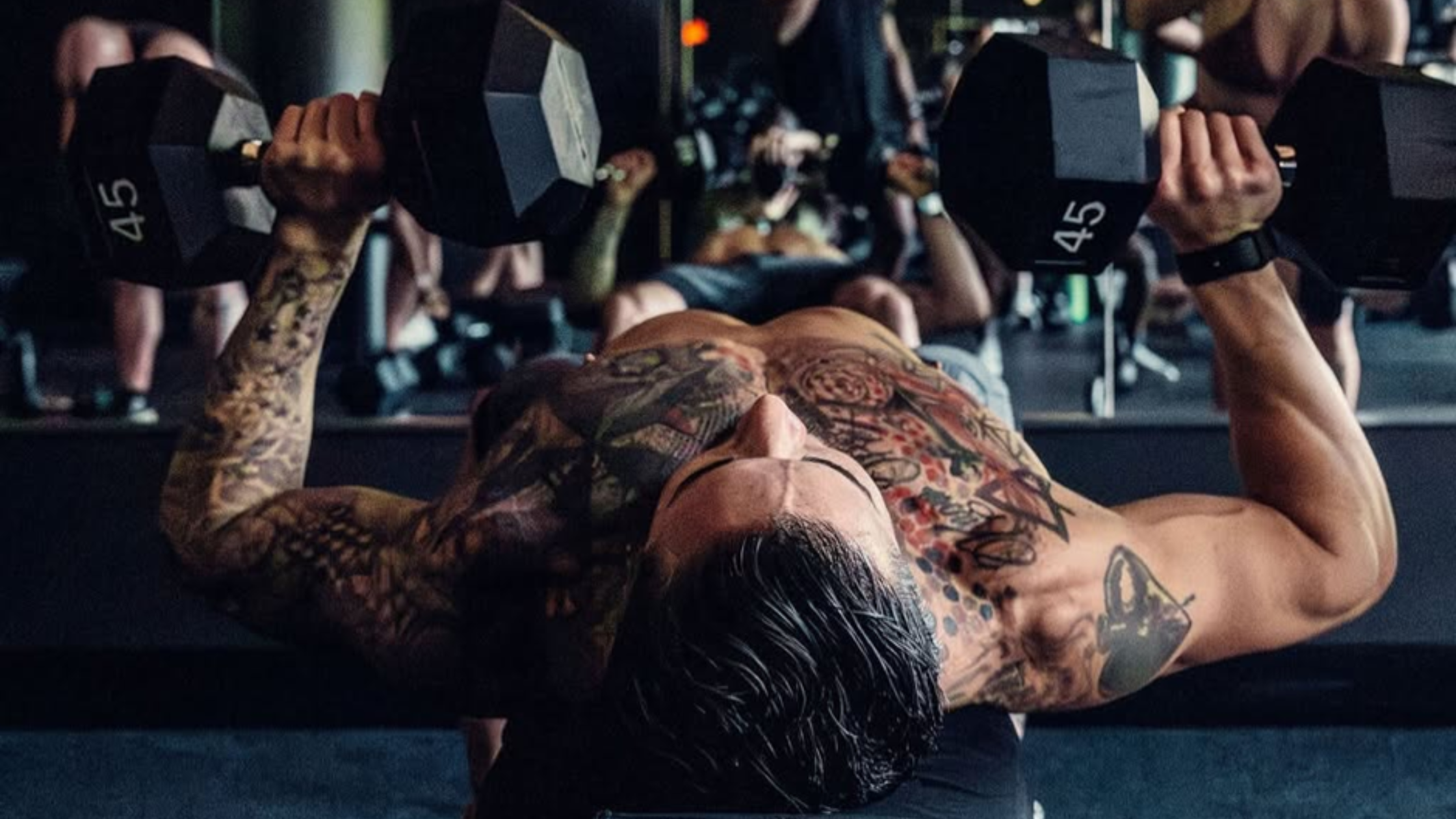
Functional Training in Lincoln Park
Transform Your Body, Transform Your Life – Explore Lincoln Park
If you've spent any time inside a Lincoln Park gym lately, you've probably noticed something: fewer people sitting on machines, more people carrying, pushing, pulling, and rotating. That shift isn't a trend without substance. It reflects a growing understanding that strength built in isolation doesn't always translate to strength you can use. Functional training in Lincoln Park has become the go-to approach for residents who want their workouts to actually mean something outside the gym, whether that's picking up a kid, hauling groceries up three flights of stairs, or staying injury-free on a weekend bike ride along the lakefront.
This page breaks down what functional training really is, why it matters for people living and working in this neighborhood, and how to find a program that delivers real, measurable results.
What Functional Training Actually Means
Functional training is built around movement patterns rather than isolated muscles. Instead of a leg extension machine that only trains your quads through a fixed range of motion, a functional approach might use a kettlebell swing, a sled push, or a loaded carry, movements that ask your hips, core, shoulders, and stabilizing muscles to work together the way they do in daily life.
The core movement patterns typically include:
Squatting and hinging – sitting into a chair, picking something up off the floor
Pushing and pulling – opening doors, moving furniture, carrying bags
Rotation and anti-rotation – twisting to grab something, resisting a shifting load
Carrying and loaded walking – groceries, luggage, a toddler on one hip
Locomotion – lunging, stepping, changing direction quickly
Training these patterns builds strength that shows up in real situations. It also tends to be more joint-friendly because movements are multi-planar rather than locked into a single track, which reduces the repetitive strain that comes from doing the same isolated motion over and over.
Coaching matters enormously here. Functional movements involve more moving parts than a machine exercise, so form breaks down more easily under fatigue. A good coach watches hip position during a kettlebell swing, hand placement during a sled push, and core bracing during a carry, correcting small errors before they become nagging pain.
Why Lincoln Park Residents Are Drawn to This Style of Training
A few things about this neighborhood make functional training an especially good fit.
An active, outdoor-oriented population. Lincoln Park sits along the lakefront trail, and a huge number of residents run, bike, or play pickup sports throughout the year. Functional training directly supports these activities by strengthening the stabilizer muscles that protect knees, hips, and lower backs during repetitive outdoor movement. Runners in particular benefit from single-leg strength work and hip stability drills that reduce common overuse injuries.
Busy schedules that reward efficient sessions. Between work, family, and social commitments, most people in this area don't have two hours a day to spend on fitness. Functional training sessions are typically built around compound, multi-joint movements that train several muscle groups at once, so a 45- 60-minute session can deliver a full-body stimulus without needing to bounce between a dozen isolated exercises.
A neighborhood full of stairs and old buildings. Many Lincoln Park apartments and brownstones don't have elevators. Everyday tasks like hauling laundry, groceries, or a stroller up a few flights are a real physical demand. Carries, step-ups, and loaded lunges build exactly the kind of strength that makes those daily tasks easier rather than exhausting.
A community that values group energy. Group-based functional training classes have become popular specifically because they combine coaching, accountability, and social connection. Training alongside neighbors who show up week after week creates a level of consistency that solo gym visits rarely produce, and it's one of the reasons functional training in Lincoln Park has grown from a niche interest into a mainstream habit.
What to Look For in a Functional Training Program
Not every class that calls itself "functional" delivers on the promise. Here's what separates a genuinely effective program from one that's just trendy branding.
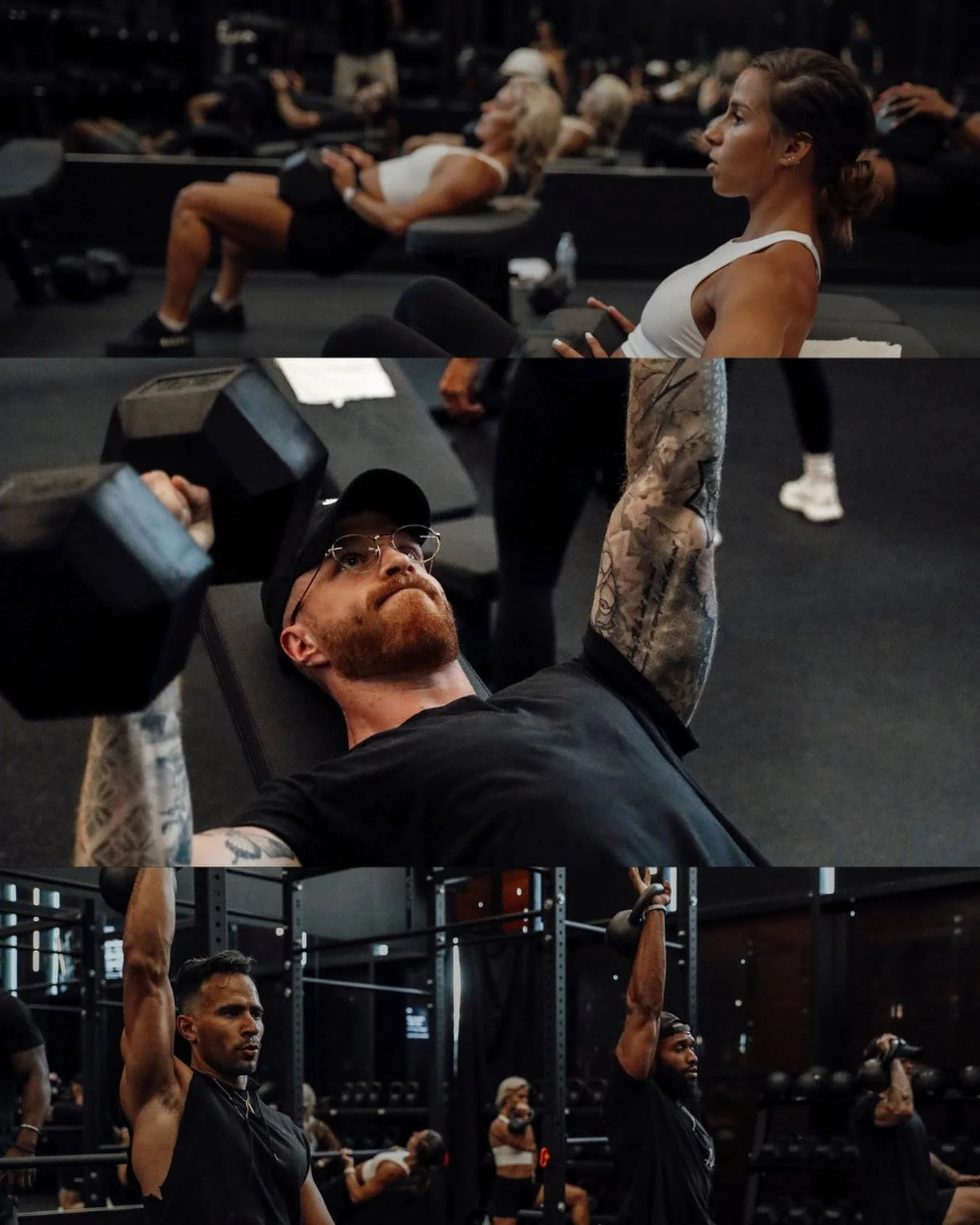
Coached, not just supervised. The best functional training happens under the eye of a coach who actively corrects form, adjusts loads, and scales movements for injuries or limitations. A trainer walking laps around the room without touching a single client's setup isn't providing real coaching.
Progressive programming. Functional training should build over weeks and months, not repeat the same random circuit indefinitely. Look for programs that track your progress on key lifts and movement patterns, gradually increasing load or complexity as you improve.
A mix of strength and conditioning. Pure cardio circuits without a strength component won't build the resilience that makes daily movement easier. Similarly, pure strength work without any conditioning leaves gaps in stamina. A well-rounded functional program blends both.
Scalability for all fitness levels. Because functional movements can be loaded or modified in dozens of ways, a strong program should be able to challenge a total beginner and an experienced athlete in the same room, adjusting weight and complexity rather than changing the entire workout structure.
If you're weighing your options, a two-week trial is often the easiest way to test whether a program's coaching style and community fit your goals before committing. You can see current class times through the Lincoln Park schedule or start with a trial period to experience a session firsthand.
Getting Started With Functional Training in Lincoln Park
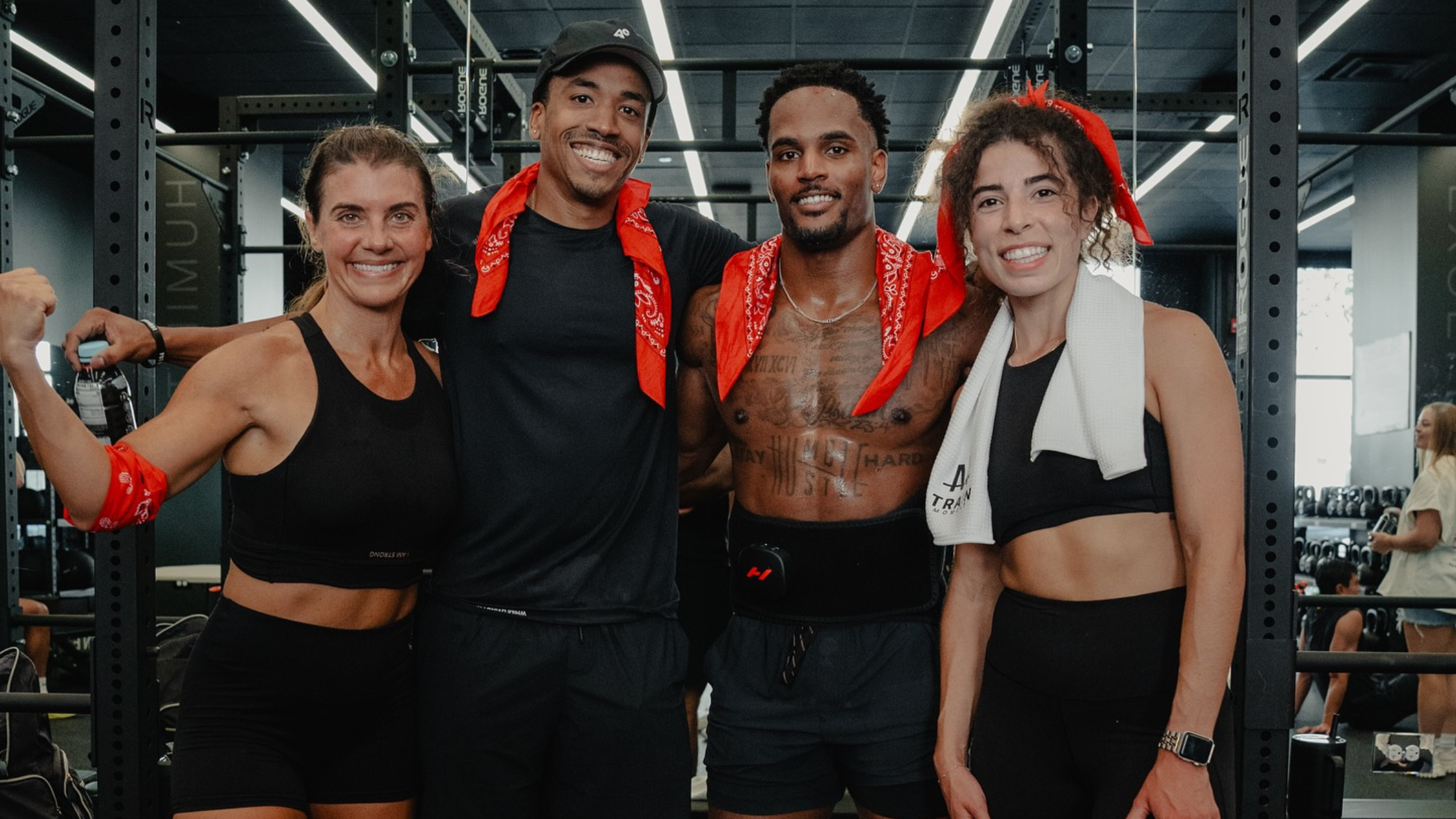
If you're new to this style of training, the learning curve is smaller than people expect. Most coached programs start beginners with fundamental patterns- bodyweight squats, hip hinges, basic carries- before adding external load. Within a few sessions, most people are moving more confidently and noticing less everyday stiffness.TRAIN Moment runs coached group sessions built around these functional movement patterns at its Lincoln Park location, blending strength, conditioning, and community into each class.
If you want a closer look at what a typical class covers, the HIIT class in Lincoln Park page details a higher-intensity version of this training style, while the strength training classes in Lincoln Park page focuses more heavily on progressive load work. For those who want personalized attention alongside group energy, personal training in Lincoln Park combines one-on-one coaching with the same functional movement principles. New residents can also check out the Lincoln Park gym trial to sample a class before committing to a membership. For a broader look at the full Lincoln Park facility and community, visit the Lincoln Park location page.Whatever path you choose, the goal of functional training stays the same: build strength that carries over into real life, not just onto a leaderboard.
Is functional training suitable for beginners with no gym experience?
Yes. Movements are typically introduced with bodyweight or light loads first, and coaches adjust intensity based on individual ability, so beginners and experienced athletes can train in the same class safely.
How is functional training different from a typical weightlifting program?
Traditional weightlifting often isolates single muscle groups using machines, while functional training emphasizes multi-joint, multi-planar movements like carries, hinges, and rotations that mimic everyday physical demands.
How often should I do functional training each week?
Most people see solid results training two to four times per week, allowing at least one rest day between sessions that stress the same movement patterns heavily.
Can functional training help with injury prevention?
Yes, particularly for runners, cyclists, and people with desk jobs. Strengthening stabilizer muscles and improving joint mobility through varied movement patterns reduces the repetitive strain that often leads to overuse injuries.
Do I need any special equipment to start functional training?
No. Most functional training classes use kettlebells, sleds, bands, and bodyweight movements that are provided in the gym, so you don't need to purchase equipment before your first session.