

HIIT Classes in Lincoln Park Chicago
Transform Your Body, Transform Your Life – Explore Chicago
HIIT Classes in Lincoln Park Chicago: Build Strength, Burn Fat, and Train With a Community That Pushes You Forward
Finding a workout that actually holds your attention is harder than it sounds. Treadmills get boring, solo lifting sessions lose their spark, and half-hearted YouTube workouts rarely deliver real results. That's where HIIT classes in Lincoln Park, Chicago come in. High-intensity interval training combines short, explosive bursts of effort with brief recovery periods, creating a workout style that torches calories, builds cardiovascular endurance, and improves strength all in a single session. For Lincoln Park residents who want efficient, effective, and genuinely enjoyable workouts, HIIT has become one of the most popular training formats in the neighborhood.
Lincoln Park is packed with young professionals, students, and families who value their time. Nobody wants to spend two hours at the gym chasing results that a well-structured 45-minute session could deliver. HIIT classes solve that problem by packing maximum effort into minimal time, which is exactly why so many neighborhood gyms have built their group fitness programming around this format.
Why HIIT Classes Are Taking Over Lincoln Park Gyms
The appeal of HIIT isn't just about burning calories quickly, though that's certainly part of it. Interval training triggers what's known as excess post-exercise oxygen consumption, meaning your body continues burning calories for hours after you've left the gym. This afterburn effect makes HIIT particularly attractive to people balancing demanding careers with fitness goals, since the results compound well beyond the workout itself.
Group HIIT classes also solve a common problem: motivation. Training alone at home or on a treadmill often leads to shortened sets, skipped reps, and workouts that fizzle out before they really begin. In a group class setting, a coach keeps the pace honest, corrects your form, and the energy of training alongside other people pushes you to finish what you started. This is a major reason group personal training in Lincoln Park has grown so much in popularity across the neighborhood's fitness scene.
Another draw is variety. A well-programmed HIIT class rotates between kettlebells, sleds, battle ropes, bodyweight circuits, and short sprints, so no two sessions feel identical. This constant variation keeps your body guessing, which supports better long-term progress than repeating the same routine week after week.
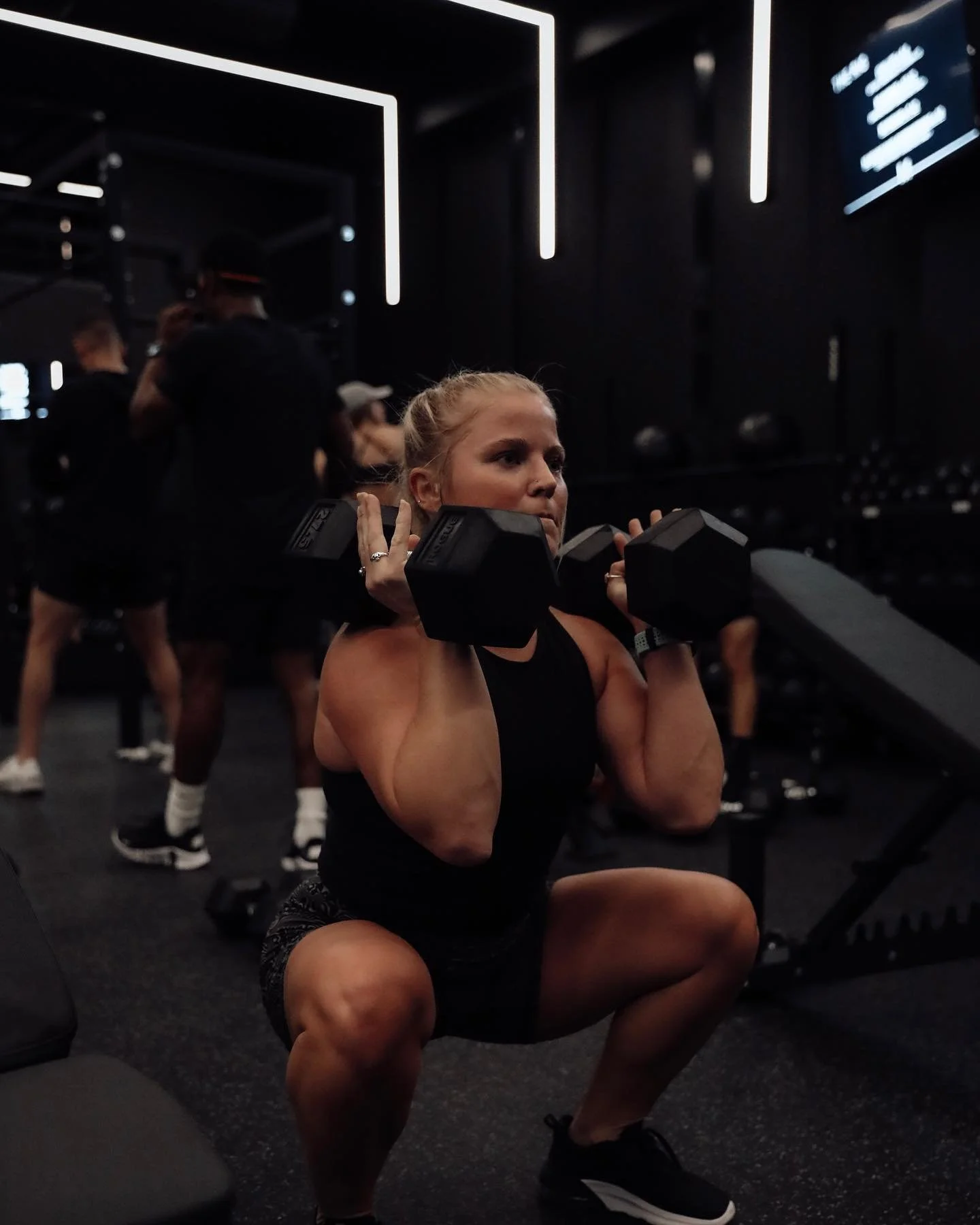
What a Typical HIIT Class in Lincoln Park Looks Like
A structured HIIT session typically opens with a dynamic warm-up designed to raise your heart rate and prep your joints for explosive movement. From there, coaches guide the group through rounds of work-to-rest intervals, often 30 to 45 seconds of maximum effort followed by 15 to 20 seconds of recovery. This might include kettlebell swings, box jumps, rowing sprints, battle rope slams, or bodyweight movements like burpees and mountain climbers.
The beauty of a coached format is that intensity is scaled to the individual. Beginners can modify movements while still working at their own maximum effort, and more advanced members can add resistance or speed. This makes HIIT classes approachable for people just starting their fitness journey while remaining challenging enough for seasoned athletes. If you're new to group training altogether, checking out what a first-timer session looks like can help you know what to expect before your first class.
Most sessions close with a short cool-down and mobility work to help the body recover and reduce soreness the next day. Coaches in Lincoln Park studios often adjust the class structure seasonally, blending strength-based intervals with pure cardio bursts depending on member goals and time of year.
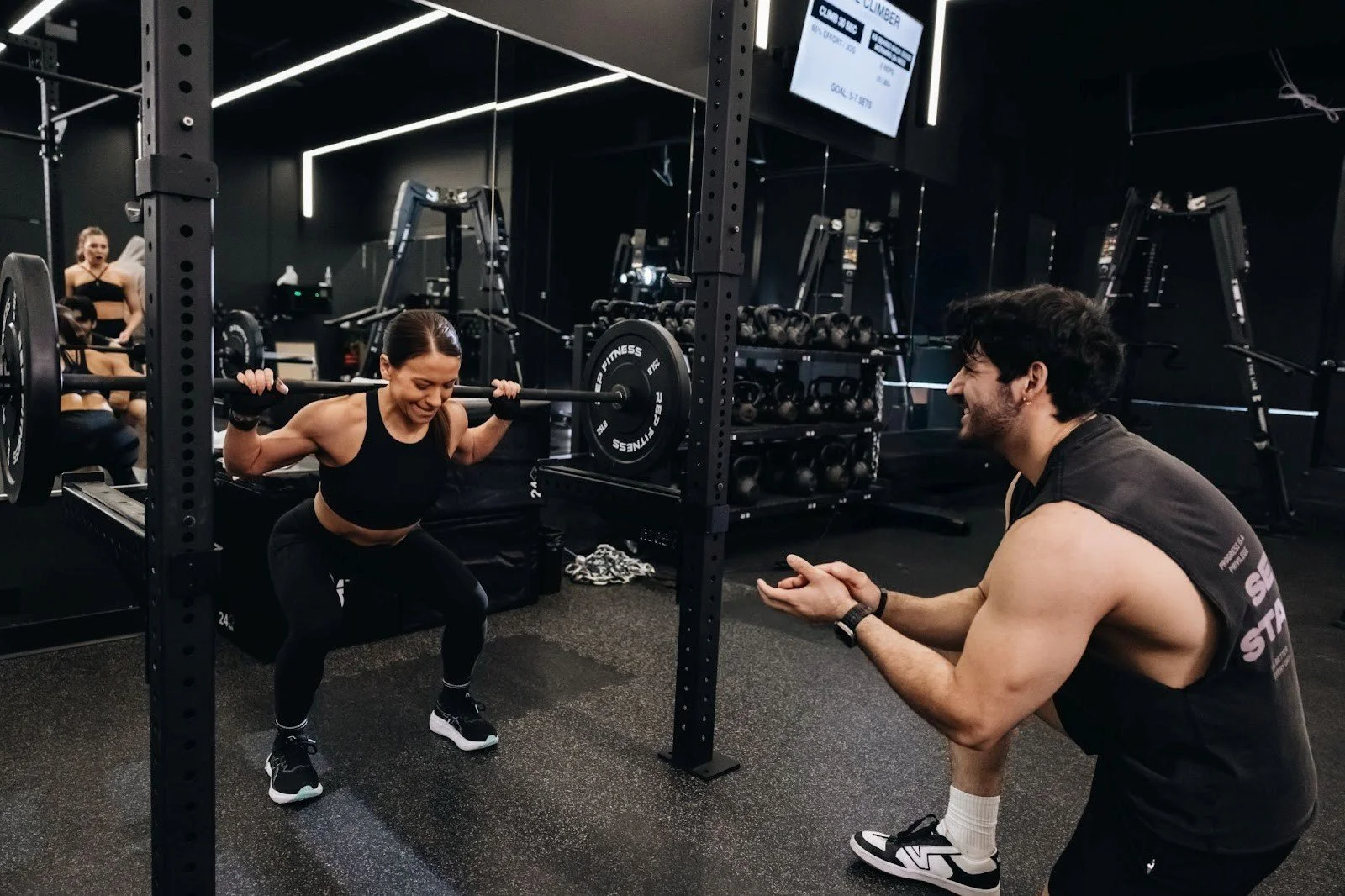
Finding the Right HIIT Class for Your Fitness Level
Not every HIIT class is created equal, and the right fit depends on your current fitness level, your goals, and how much coaching support you want during a session. Beginners should look for classes with certified coaches who actively correct form and offer modifications, since improper technique during high-intensity movements increases injury risk. More experienced athletes may want classes that incorporate heavier loads or more complex movement patterns to keep progressing.
Consistency matters more than intensity when you're just starting. Attending two to three HIIT classes a week, paired with proper recovery, tends to produce better long-term results than sporadic, all-out sessions that leave you too sore to return the following week. Many Lincoln Park studios offer trial periods, which are a low-risk way to experience the coaching style and class energy before committing to a membership. TRAIN Moment offers a Lincoln Park gym trial for anyone who wants to test out a session firsthand.
Whether your goal is fat loss, improved conditioning, or simply breaking up a monotonous workout routine, HIIT classes in Lincoln Park offer a structured, community-driven way to get there. With the right coaching and consistent effort, these sessions can become the cornerstone of a sustainable fitness habit rather than another workout trend that fades after a few weeks. TRAIN Moment's Lincoln Park location brings this coached, high-energy approach to life for members at every fitness level.
Is functional training suitable for beginners with no gym experience?
Yes. Movements are typically introduced with bodyweight or light loads first, and coaches adjust intensity based on individual ability, so beginners and experienced athletes can train in the same class safely.
How is functional training different from a typical weightlifting program?
Traditional weightlifting often isolates single muscle groups using machines, while functional training emphasizes multi-joint, multi-planar movements like carries, hinges, and rotations that mimic everyday physical demands.
How often should I do functional training each week?
Most people see solid results training two to four times per week, allowing at least one rest day between sessions that stress the same movement patterns heavily.
Can functional training help with injury prevention?
Yes, particularly for runners, cyclists, and people with desk jobs. Strengthening stabilizer muscles and improving joint mobility through varied movement patterns reduces the repetitive strain that often leads to overuse injuries.
Do I need any special equipment to start functional training?
No. Most functional training classes use kettlebells, sleds, bands, and bodyweight movements that are provided in the gym, so you don't need to purchase equipment before your first session.