

Strength Training vs CrossFit
ProgramTransform Your Body, Transform Your Life – Explore Chicago
Strength Training vs CrossFit: Which Is Right for Your Goals?
If you are deciding between strength training and CrossFit, you are probably asking the same question many people ask when they want to get fitter: which one will give me better results without wearing me down? Both styles are popular, both are challenging, and both can change how you look and feel. They are built on different ideas, though. At Train Moment, we focus on smart, strength-forward coaching, so we see every day which approach suits which person. This guide breaks down how each works, where they differ, and how to choose.
What Is Strength Training?
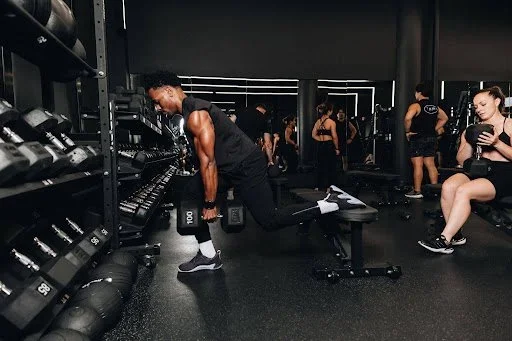
Strength training is exercise that makes your muscles work against resistance so they grow stronger over time. That resistance can come from barbells, dumbbells, kettlebells, cables, machines, or your own body weight. The principle is progressive overload. You gradually increase the weight, the repetitions, or the difficulty so your body keeps adapting.
A good strength program is structured. You usually train a mix of movement patterns: squatting, hinging, pushing, pulling, and carrying. Sessions are planned, rest periods are deliberate, and the focus is on quality of movement before heavy loading. That structure is what makes the training safe and effective.
The benefits go well beyond bigger muscles:
Stronger muscles, bones, and joints. Resistance work increases bone density and supports the tissues around your joints, which matters more as you age.
A faster metabolism. More lean muscle means your body burns more energy, even at rest.
Better posture and fewer aches. Strengthening the back, hips, and core often eases everyday pain.
Long-term consistency. Because the work is measured and progressive, it is easier to track results and stay motivated.

What Is CrossFit?
CrossFit is a high-intensity fitness method that blends weightlifting, gymnastics-style movements, and cardio such as running, rowing, and jumping. Workouts are usually short, fast, and varied. A typical session includes a warm-up, a skill or strength segment, and a timed or scored workout, often called a “WOD” (workout of the day).
The idea is to build broad, general fitness. Instead of specializing in one quality, CrossFit trains strength, stamina, speed, and coordination together. Many people love the energy of the classes, the competitive scoreboard, and the sense of community.
CrossFit has real strengths:
High calorie burn. The intensity and variety keep your heart rate elevated.
Motivating group environment. Training alongside others makes it easier to show up.
Variety. No two workouts are exactly alike, so boredom is rare.
Conditioning. Your cardio fitness and work capacity can improve quickly.
There are trade-offs, too. Because workouts often combine heavy lifts, technical movements, and fatigue, the risk of poor form rises when you are tired or still learning. Programming can vary widely between gyms, and the “go hard every day” culture can lead to overtraining if recovery is ignored. Beginners, in particular, need a coach who scales movements properly rather than pushing everyone to the same standard.
Strength Training vs CrossFit: The Key Differences
When you compare strength training vs CrossFit side by side, the differences come down to purpose, structure, intensity, and risk.
Goal and focus. Strength training is specific. It aims to build maximal strength and muscle in a controlled way. CrossFit is general. It aims to improve many fitness qualities at once, often at the cost of depth in any single one.
Programming. A strength plan follows a progression. You know what you lifted last week and what you will lift next week. CrossFit workouts are typically varied and constantly changing, which makes steady, measurable progress harder to track.
Intensity and fatigue. Strength sessions include longer rest between heavy sets, so you can keep good technique. CrossFit workouts compress effort into short windows, so fatigue builds quickly, and fatigue is when form tends to break down.
Injury risk. Both are safe with good coaching. The risk in CrossFit tends to rise when complex lifts are performed quickly under fatigue. Strength training is easier to scale because you control the load, tempo, and rest.
Skill demands. CrossFit often includes advanced movements such as Olympic lifts, kipping pull-ups, and handstand work. These take time to learn. Core strength lifts like squats, deadlifts, and presses are simpler to master and easy to adjust to your level.
Who it suits. Strength training works well if you want to build muscle, lose fat, improve joint health, or get stronger for life and sport. CrossFit may suit you if you thrive on competition, love variety, and want a high-energy workout every day.
Neither approach is “better” in every situation. The right choice depends on what you want and how your body responds.
Is strength training vs CrossFit better for weight loss?
Both can help you lose fat. CrossFit burns a lot of calories during the session, while strength training builds muscle that raises your metabolism over time. Many people get the best results from a strength-based plan with some conditioning, combined with good nutrition and consistent sleep.
Is CrossFit safe for beginners?
It can be, with a coach who scales every movement and focuses on form before intensity. Beginners often do better building a base with basic strength training first, then adding higher-intensity work once their technique is solid.
How often should I do strength training each week?
Most people see good results training two to four days per week, with rest days between sessions that work the same muscles. Beginners can start with two or three full-body sessions and increase gradually.
Can I do strength training and CrossFit together?
Yes, as long as you manage recovery. A strength foundation improves your performance in CrossFit-style workouts, and conditioning can improve your stamina. Just avoid stacking intense sessions every day without rest.
Do I need to be fit before starting?
No. A good program meets you where you are. Coaches can adjust weights, movements, ts and pace so you train safely and progress at your own speed. If you are unsure, start with a personal training session to build confidence and learn the basics.