
Inside South End's Boutique Fitness Scene: Why Charlotte, NC Is Choosing Coached Group Strength
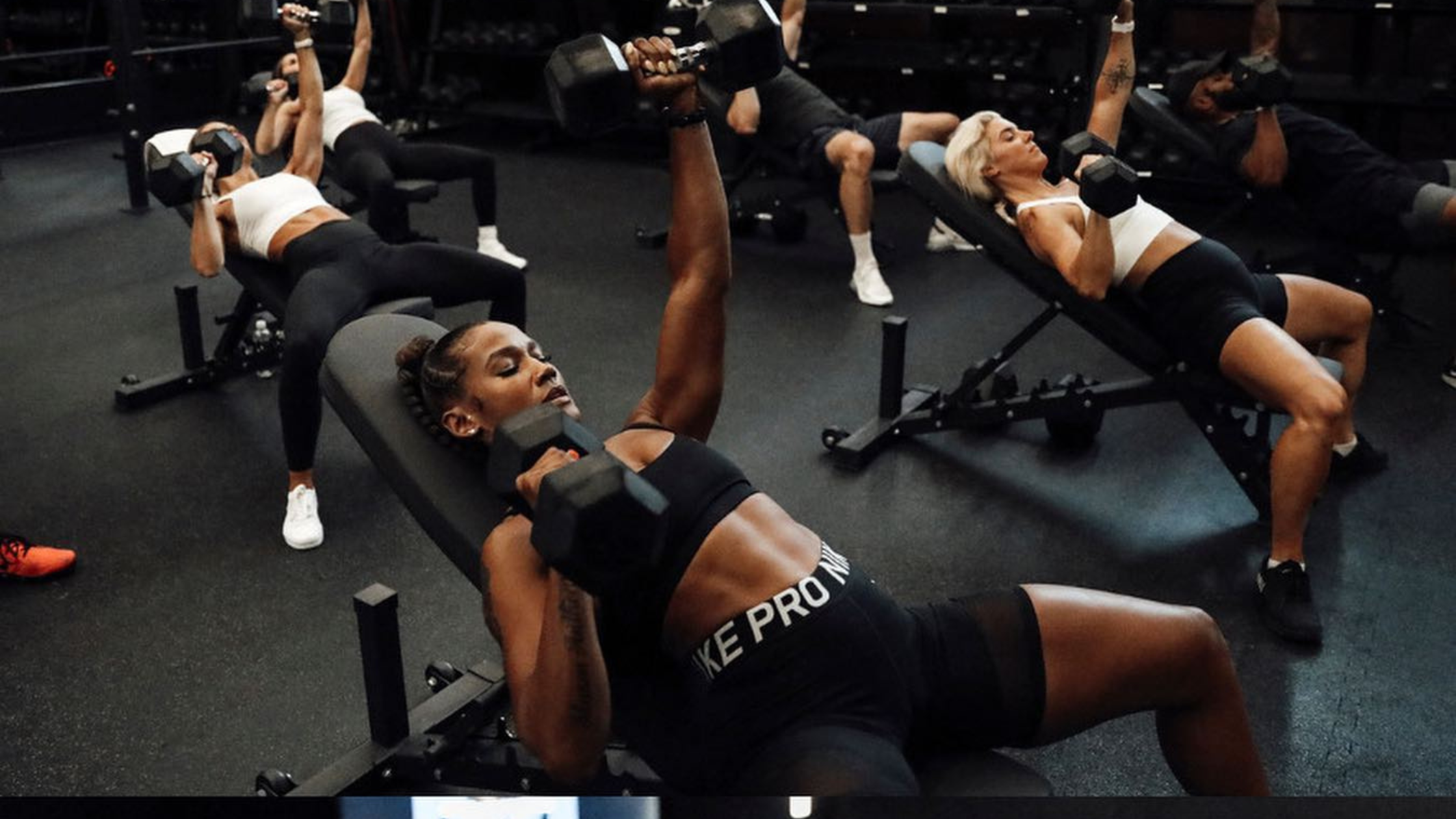
Walk through South End on a weekday evening, and you notice a shift. The lifters who once wandered a big gym floor on their own now fill coaching rooms where a barbell waits, and a coach already knows their name. Boutique fitness in Charlotte, NC keeps moving toward coached group strength, and South End sits right at the center of it. People want more than a place to sweat. They want structure, real feedback, and a room that pushes them to keep showing up.
So what makes this format different, and why do so many people in Charlotte stick with it once they try it? Let's break down what boutique fitness actually means here, why group strength keeps winning people over, and how to spot a studio that delivers results you can measure.
What Boutique Fitness Actually Means in Charlotte
Boutique fitness describes a smaller, more focused studio that does a few things extremely well instead of trying to be everything at once. In Charlotte, that usually means coached group strength sessions in a clean, well-designed space, with programming that follows a plan rather than a random workout of the day. You walk in, the session is ready, and a coach runs the room from warm-up to final set.
The contrast with a big-box gym is sharp. A traditional gym sells you access and leaves the rest up to you. A boutique strength studio sells you coaching, community, and a clear path forward. That difference matters most on the days you do not feel like training, because a coach and a room full of familiar faces pull you through.
Smaller groups mean a coach watches your reps and adjusts on the spot.
Intentional programming replaces guesswork, so every session has a purpose.
The format fits first-timers and seasoned lifters in the same room, since every movement scales.
Intentional programming deserves a closer look because it separates a boutique strength studio from a class that just keeps you busy. A real program decides which lifts you train, how heavy you go, and how that load changes over the coming weeks. It also protects your joints by building movement quality before piling on weight. Strength that lasts depends on healthy shoulders, hips, and knees, so good programming treats joint health as part of the plan rather than an afterthought. In Charlotte, that thoughtful approach is exactly what draws people away from gyms where they used to wing it.
Why Group Strength Keeps Winning People Over in South End
Group strength works because it solves the two biggest reasons people quit: they get bored, and they stop seeing progress. A coached room fixes both. The energy of training next to other people keeps the session sharp, and structured programming keeps your numbers climbing week after week.
Accountability does a lot of the heavy lifting. When a coach expects you and a group of regulars to train beside you, you show up on the days when motivation runs thin. That consistency builds strength far faster than a perfect plan you only follow half the time. South End rewards that kind of steady effort, and the community here makes it easier to stay in the habit.
Coaching also removes the mental load. You do not walk in wondering what to do or whether your form holds up. A coach makes those calls, corrects what needs correcting, and frees you to focus on the work in front of you.
There is a social pull, too, and South End makes the most of it. You train next to the same faces week after week, you learn names, and you start to look forward to the session as much for the people as the workout. That sense of belonging turns training from a chore into a part of your routine you actually protect. Beginners feel it fastest, because a welcoming room takes the intimidation out of picking up a barbell for the first time. The community does not just make training nicer; it makes you more likely to keep showing up, and showing up is where strength comes from.
What a Coached Group Session Looks Like
If you have never trained in a coached group, the structure is simple and repeatable. A session opens with a warm-up that preps the exact movements you train that day. From there, you move into the main strength work, usually a barbell lift like a squat, press, or deadlift, with a coach watching and cueing the room. Accessory work follows to build the supporting muscles, and the session closes with a finisher that ties everything together.
The smartest part is how one session scales for everyone in the room. A newer lifter and an experienced one run the same movement at loads that match their level, so nobody gets left behind and nobody coasts. Benchmark lifts give the whole thing a scoreboard, because you track the same movements over time and watch your numbers rise.
Warm-up that targets the day's specific lifts.
Coached main strength work with real-time form feedback.
Accessory and finishing work that rounds out the session.
Benchmark lifts that turn progress into something you can measure.
Scaling is worth understanding because it is what lets one room hold every level at once. When a coach programs a squat, a brand-new lifter might work it with lighter loads and a focus on clean depth, while a seasoned lifter loads the bar heavy and chases a new number. Same movement, same coaching, different weight. That approach keeps the session challenging for everyone and means you never outgrow the room or feel left behind in it. As you get stronger, your loads climb with you, and the benchmark lifts you tracked at the start become the proof of how far you have come.
How to Pick the Right Boutique Gym in Charlotte
Not every studio that calls itself boutique trains you the same way, so a few questions sort the strong ones from the rest. Start with the programming. Ask whether sessions follow a structured plan that builds over time or whether each day stands alone with no connection to the last. Strength comes from steady, planned progress, so the plan matters.
Next, look at the coaching. A real coaching session means a coach actively runs the room, watches reps, and adjusts loads, not someone counting down a clock from the corner. Finally, ask how the gym tracks your progress. A studio that logs benchmark lifts and retests them gives you proof that the work pays off.
Look for structured programming, not a random daily workout.
Confirm that coaches actively coach during class.
Ask how the studio tracks and retests your strength.
The Bottom Line on Boutique Fitness in Charlotte, NC
Boutique fitness in Charlotte, NC keeps trending toward coached group strength for good reason. The format gives you structure, accountability, and measurable progress in a room that actually pushes you. South End makes a natural home for it, with a community that shows up and a training style built to last. If you want results you can track, and a room that keeps you consistent, coached group strength is where to start.
Train With Us in South End
TRAIN Moment brings coached group strength to the South End, Charlotte. Every session pairs hands-on coaching with thoughtful programming that repeats bi-weekly so you can chase progressive overload and watch your benchmark lifts climb. You train alongside an all-levels community, from first-timers to seasoned athletes, and you recover in full-service locker rooms. Want to feel the difference for yourself? Start with our 2-week new client trial and see what coached group strength does for you.
FAQs
Is boutique fitness a good fit for beginners?
Yes. Coached group strength scales every movement to your level, so a first-timer and an experienced lifter train in the same room at different loads. A coach guides your form from day one, which makes starting far less intimidating.
How is group strength training different from a regular gym?
A regular gym hands you the equipment and leaves the plan to you. Group strength gives you a coach, a structured program, and a community, so you always know what to do and why you are doing it.
Do I need experience to join a coached class?
No. Coached sessions welcome complete beginners. The coach teaches the movements, sets your starting loads, and adjusts as you build confidence and strength.
How often should I train for strength?
Most people see strong results from training three to five sessions a week, with at least one full rest day. Consistency over time matters more than any single hard session.
What should I bring to my first session?
Bring training shoes, comfortable clothes, and water. Show up a few minutes early so your coach can walk you through the space and the day's plan.