
Group Personal Training in River North: What a Coached Session Really Looks Like
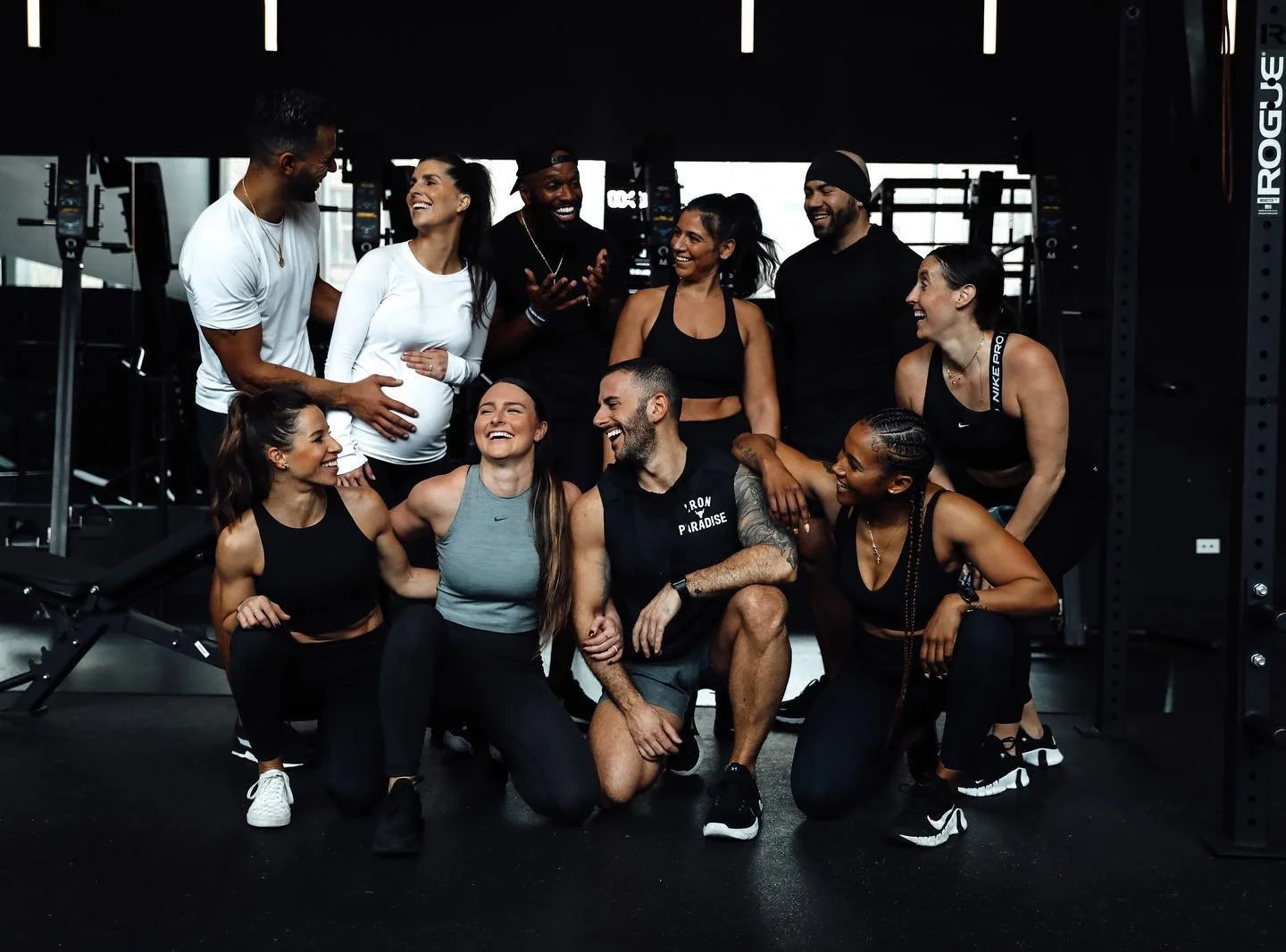
Most people picture personal training as one coach and one client in a quiet corner. Group personal training in River North flips that idea. You still get real coaching on your form and your effort, but you get it inside a room full of people working toward the same thing. The result combines expert guidance with the energy that only a group can bring.
If you have never trained this way, you might wonder what a coached session actually involves and whether it fits you. Here is a clear look at how it works, why the group format gets results, and who it serves best.
What Group Personal Training Really Means
Group personal training means coached strength sessions run in a small group rather than one client at a time. A coach leads the room, guides everyone through the day's movements, and corrects form and effort along the way. You follow a shared program, so the room moves together while the coaching stays personal to your reps.
This is not a class where someone shouts over music and never looks at you. A coach watches how you move, adjusts your loads, and keeps you working at the right intensity. You get the attention that makes coaching valuable, plus the push that comes from training next to other people.
Coached strength sessions run in a small group, not solo programming.
A coach guides form and effort for everyone in the room.
The energy of the group pushes you further than training alone.
The word personal in group personal training points to the coaching, not the solo setting. You get a coach paying attention to how you move, how much you lift, and how hard you push, the same things a private session covers. The difference is that you get all of it inside a room with energy, where other people chasing the same goals lift the intensity for everyone. For most people, that mix produces better sessions than training alone in silence, because the group keeps you honest and engaged.
Inside a Coached Session, Start to Finish
A coached session follows a clear arc. It opens with a warm-up that preps the exact lifts you train that day, so your body is ready before the load goes up. From there, you move into the main strength work, usually a barbell movement, with a coach watching every rep and cueing the room. Accessory work builds the supporting muscles, and a finisher ties the session together and leaves you with that earned, worked feeling.
The structure repeats enough that you learn the rhythm fast, but the programming keeps evolving, so you always build on the last session. A newer lifter and a strong one run the same session at loads that fit them, which is what makes the group format work for everyone in the room.
A warm-up that preps the day's specific lifts.
Main strength is working with coaching on every rep.
Accessory work and a finisher that completes the session.
Scaling is the quiet feature that makes this possible. Because every movement adjusts to the person doing it, the room can hold a first-timer and a competitive athlete at the same time without either feeling out of place. The newer lifter builds form and confidence on manageable loads while the coach keeps an eye on technique. The experienced lifter loads up and chases a heavier number. Both train in the same session, follow the same plan, and progress on their own timeline. That flexibility is why people rarely outgrow a well-run coached group; they just keep adding weight as they get stronger.
Why the Group Format Gets Results
The group format works because it fixes the parts of training people struggle with most. Accountability keeps you consistent because a coach expects you, and a room of regulars trains beside you. You show up on the hard days, and those are the days that build real strength.
Shared programming means everyone follows the same plan and progresses through it together, which keeps the standard high and the energy up. Benchmark lifts give the whole room a way to track gains over time, so your progress is not a feeling; it is a number you can point to. Put those pieces together, and you get a setting that pulls more out of you than a solo session usually can.
Accountability keeps you consistent through the tough days.
Shared programming that everyone follows and progresses through together.
Benchmark lifts that track your gains over time.
Accountability is worth dwelling on because it is the factor most solo plans underestimate. A perfect program you follow half the time loses to a solid program you follow consistently, every time. The group format builds that consistency into the experience. You book a session, the coach expects you, and the people you train with notice when you miss. Those small social ties carry you through the weeks when life gets busy, and motivation runs low. Over a year, the difference between training most weeks and training almost every week is enormous, and the group is what tips you toward the second one.
Who Group Personal Training Is For
Group personal training fits a wide range of people, which is part of its appeal. Beginners get guidance and structure without having to design a single workout, so they avoid the guesswork that sinks most new routines. Experienced lifters get programming that keeps them progressing instead of spinning their wheels on the same lifts.
It also fits anyone who simply trains better with people around. If a quiet solo session leaves you unmotivated, a coached room changes the equation. The group carries you on the days you need it, and you do the same for them.
Beginners who want guidance without the guesswork.
Experienced lifters chasing structured, ongoing progress.
Anyone who trains better with people around them.
The format also serves people coming from a different starting point. Runners often discover that adding coached strength work improves their durability and power on the road, since stronger legs and a stronger core hold up better mile after mile. People managing their weight, including those on GLP-1 medications, benefit from group strength because protecting and building muscle matters most when the number on the scale is dropping. Whatever brings you in, the coached group format meets you where you are and gives you a clear, supported path to get stronger.
The Bottom Line on Group Personal Training in River North
Group personal training in River North gives you the best of both worlds: real coaching on your lifts and the energy of a room training toward the same goal. A coached session means structure, feedback, accountability, and benchmarks that prove your progress. If you want to get stronger without going it alone, the coached group format is hard to beat.
Train With Us in River North
TRAIN Moment River North brings coached group strength to the heart of the neighborhood. Every session pairs hands-on coaching with programming that repeats bi-weekly for progressive overload, plus benchmark tracking so you can watch your numbers climb. You train inside an all-levels community, from first-timers to seasoned athletes, and recover in full-service locker rooms. Curious what a coached session feels like? Start with our 2-week new client trial.
FAQs
Is group personal training right for beginners?
Yes. Coaches scale every movement to your level and teach proper form from your first session, so beginners get plenty of guidance while training in the same room as more experienced lifters.
How big are the groups?
Group sizes stay small enough that a coach can watch your reps and adjust your loads. That balance keeps the coaching personal while preserving the energy of training with others.
Do I need experience to start?
No experience required. The coached format is built to bring beginners up to speed safely, with a coach guiding your movements and setting your starting loads.
What should I expect in my first class?
Expect a warm-up, coached strength work, accessory movements, and a finisher. Arrive a few minutes early so your coach can show you around and walk you through the session.
How often should I attend?
Three to five sessions a week suit most people, with at least one full rest day. Consistency on a progressive plan is what drives your strength forward over time.