
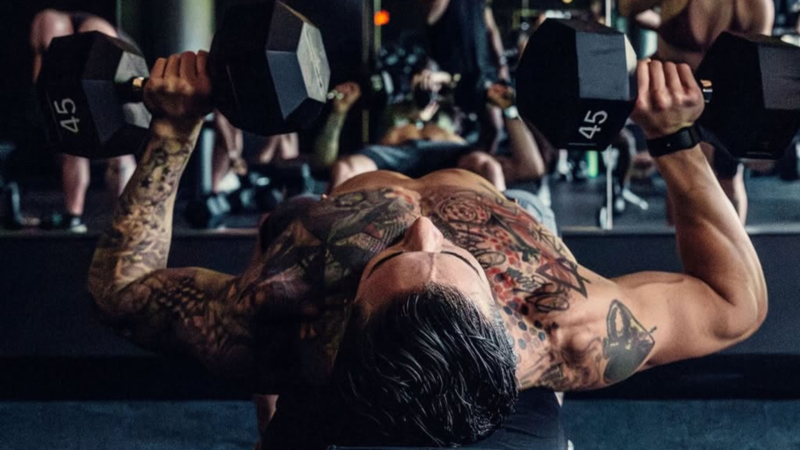
Strength Training for Martial Arts
Transform Your Body, Transform Your Life – Explore Lincoln Park
Strength Training for Martial Arts: Build Power, Speed, and Resilience at TRAIN Moment
Martial artists spend countless hours perfecting technique, yet many hit a ceiling because their bodies cannot keep up with their skills. Strength training for martial arts closes that gap by building the force, stability, and durability that every strike, throw, and grapple depends on. At TRAIN Moment, we coach people to lift with purpose so that the work they do in the gym shows up on the mat, in the ring, and in the cage.
Why Strength Training Matters for Martial Artists
Technique is what you know, and strength is what allows you to express it under pressure. A well-timed hook, a clean double leg takedown, or a tight choke all rely on force moving efficiently from the ground through the hips, trunk, and limbs. When the muscles along that chain are weak, force leaks out, technique breaks down late in a round, and injuries creep in. Building a stronger, more stable body gives every skill a better engine.
Many fighters worry that lifting will make them slow, stiff, or too heavy for their weight class. In practice, the opposite is usually true when the program is designed well. Heavy compound lifts train the nervous system to recruit more muscle fibers at once, which improves the speed of a punch or kick rather than hurting it. Stronger tissues also tolerate the constant impact, twisting, and pulling that come with sparring and competition, so athletes miss fewer training days and recover faster between hard sessions.
Strength also supports longevity in the sport. Joints, tendons, and ligaments adapt to progressive loading, which protects the shoulders, knees, and lower back, three areas martial artists commonly strain. Whether you train Brazilian jiu-jitsu, Muay Thai, boxing, karate, or judo, a consistent lifting habit builds the foundation that lets you keep training hard for years instead of months.
The Movements and Qualities That Build a Better Fighter
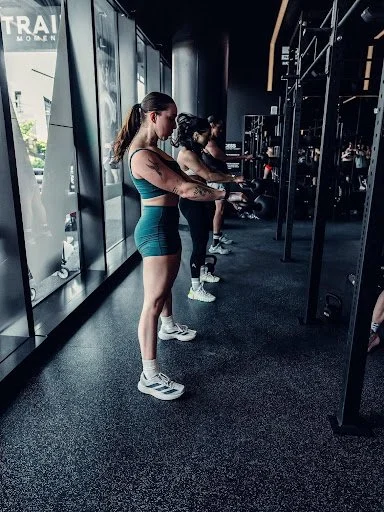
Effective programming starts with movement patterns rather than isolated muscles. Squats, deadlifts, and hip hinges teach you to generate force from the ground up, which is the source of power in nearly every combat sport. Presses and rows build balanced upper body strength so you can push opponents away and pull them in without overloading the shoulders. Carries and loaded rotations develop the trunk, which transfers force between the hips and hands and keeps you stable when someone is trying to move you.
Beyond raw strength, martial artists need power, grip, and endurance. Power comes from moving moderate loads quickly, through jumps, medicine ball throws, and speed-focused barbell work. Grip strength decides who controls the collar, the sleeve, or the wrist in a scramble. Muscular endurance keeps your technique clean when fatigue sets in during the final minutes of a round. A smart plan blends heavy work, explosive work, and higher-rep conditioning so each quality gets attention without exhausting you before practice.
Mobility and single-leg strength matter as well. Lunges, step-ups, and split squats build the balance needed for kicks, pivots, and takedown entries, while controlled hip and shoulder mobility work protects joints and gives you the range of motion fighters use constantly. Athletes in grappling arts can go deeper with our page on strength training for wrestlers, which shows how heavy lifting, grip work, and conditioning come together for sports built on control and takedowns. That approach carries over directly to jiu-jitsu, judo, and mixed martial arts.
Why Coached Group Training at TRAIN Moment Works
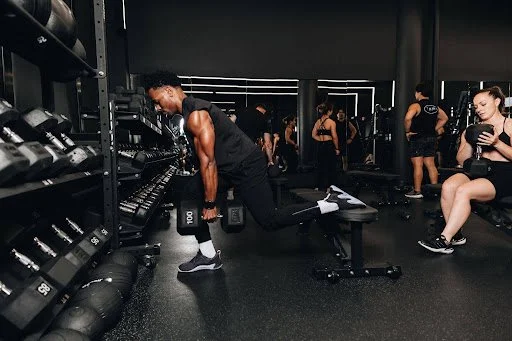
Lifting alone is possible, but coaching makes the difference between random effort and real progress. At TRAIN Moment, sessions are led by coaches who program, demonstrate, and correct each movement so you build strength safely and efficiently. Our 45-minute format respects a martial artist's busy schedule, delivering focused lifting and conditioning without wasted time. Because the programming is planned, you walk in knowing the work is purposeful and walk out with measurable progress.
The group environment adds motivation that solo gym work rarely matches. Martial artists already understand the value of training partners, and a room full of people pushing toward their own goals brings that same energy to the barbell. Accountability keeps you consistent during the weeks when motivation dips, and consistency is what compounds into meaningful strength. Coaches also scale each exercise to your experience, so a white belt and a seasoned competitor can share a room and still get what they need.
If you are curious how strength work supports combat sports specifically, read our guide to strength and conditioning for MMA, which covers power, endurance, and injury resistance. When you are ready to feel the difference yourself, book a 2-week trial and experience coached sessions firsthand. It is a low-pressure way to see how structured lifting can sharpen your training on the mat.
How often should I do strength training for martial arts?
Most martial artists do well with two to three sessions per week. Beginners can start with two, while experienced athletes may add a third session focused on power. Keep the hardest lifting away from your toughest sparring days.
Will lifting weights make me slow or bulky?
Not when the program is designed well. Heavy lifting improves how efficiently your nervous system recruits muscle, which often makes strikes and takedowns faster. Sensible programming also helps you stay within your weight class.
What are the best exercises for martial artists?
Squats, deadlifts, presses, rows, carries, and jump or medicine ball variations cover the qualities fighters need. They build force, stability, and power that transfer to striking and grappling.
How often should martial artists do strength training?
Most martial artists benefit from two to three strength sessions per week, scheduled around technical training and sparring days. This frequency builds strength without draining the energy needed for skill work. Fighters closer to a competition often reduce this to one or two lighter sessions so the body stays fresh for fight-specific drills.
Will lifting weights make me slower or less flexible?
No, when the program is designed correctly. Strength training for martial arts favors full range of motion movements and explosive lifts over slow, isolated bodybuilding exercises. Done well, it improves the speed and power behind strikes, takedowns, and clinch work rather than reducing them.